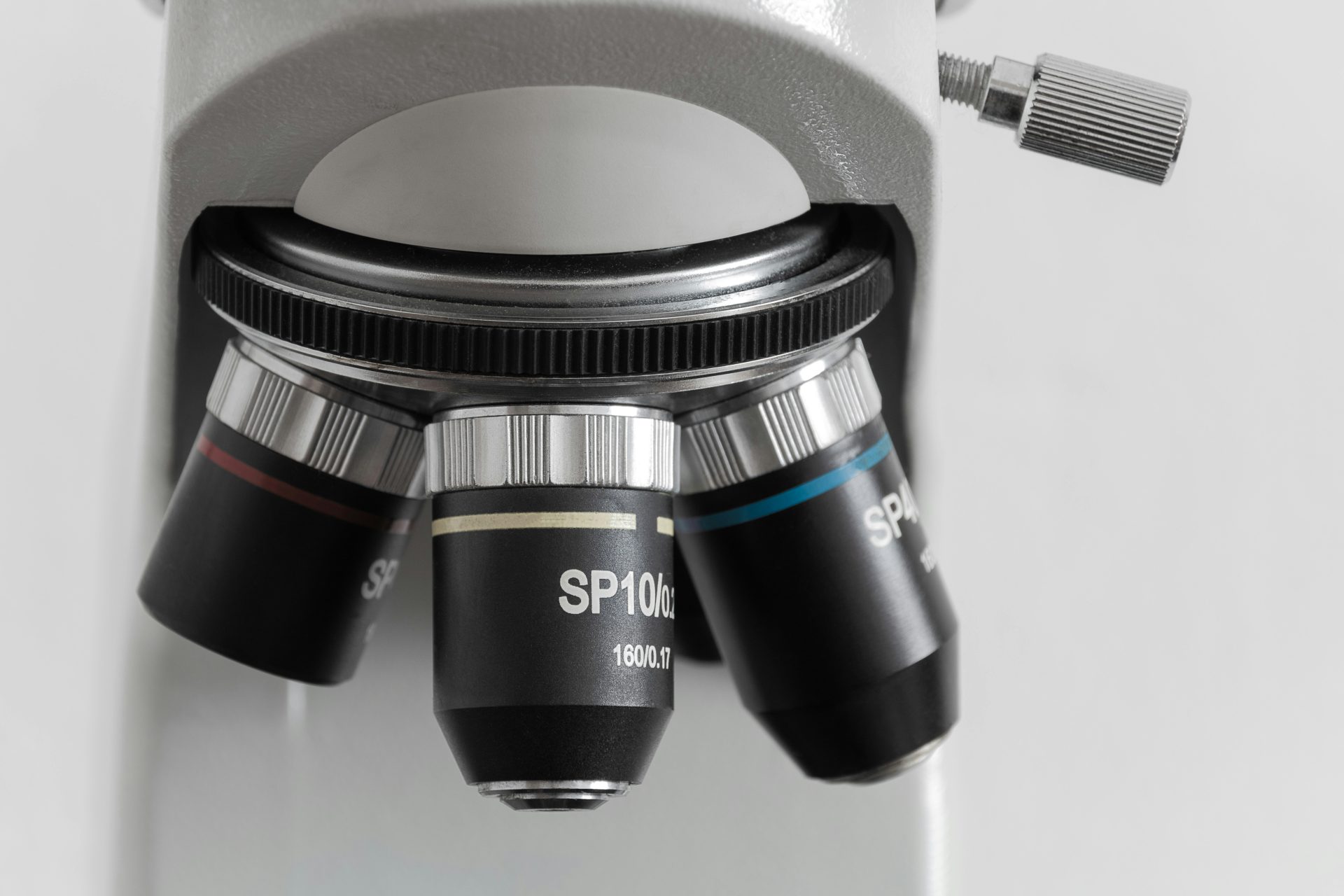
Understanding the Olympus CH-2 Microscope: Parts and Labeled Diagrams
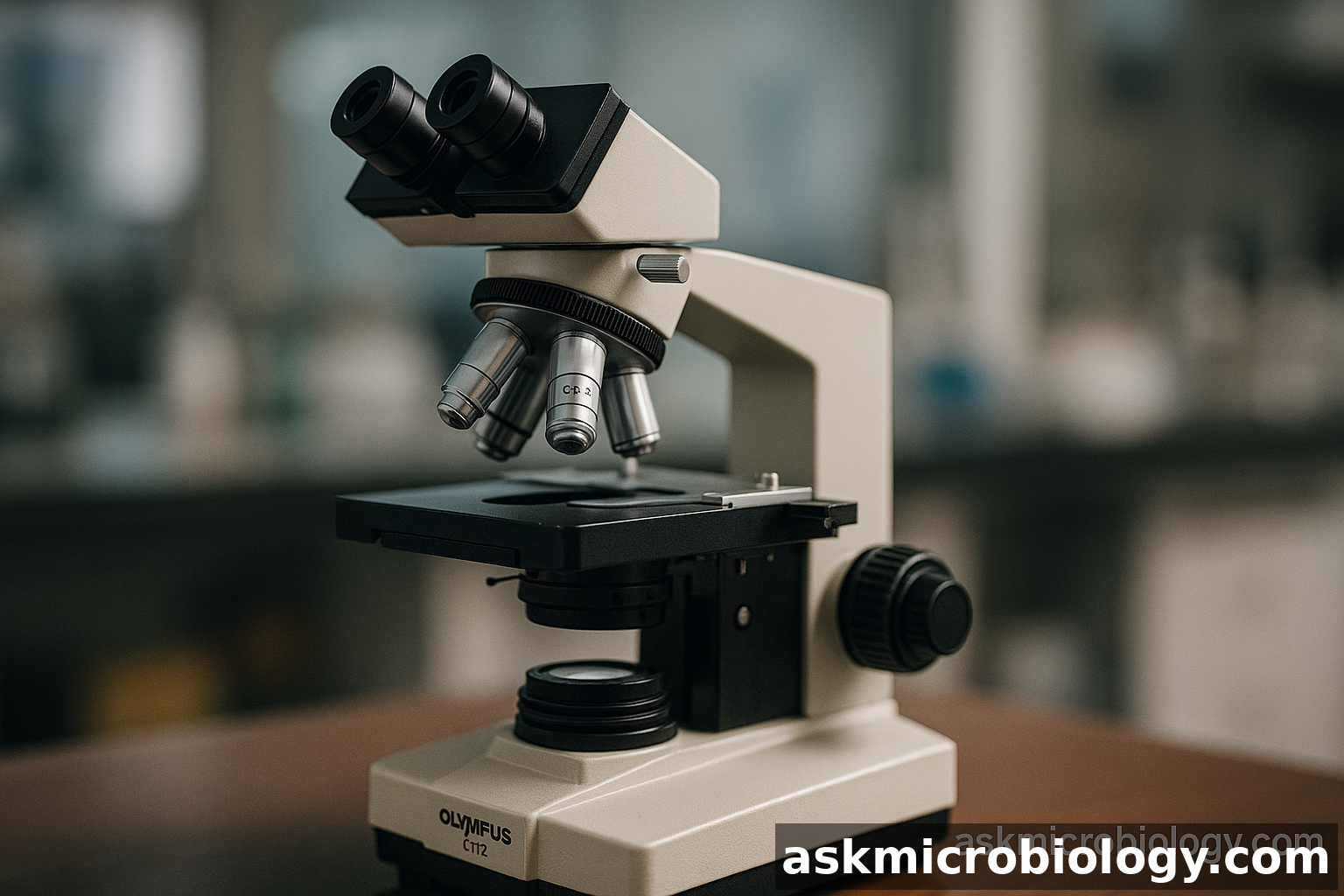
Hyper-realistic image of an Olympus CH-2 compound microscope with blurred laboratory background and askmicrobiology watermark.

Overview of the Olympus CH‑2 Series Released in the late 1980s, the Olympus CH‑2 quickly became a staple in teaching laboratories. A 2023 LabX equipment survey reported that 27 % of U.S. colleges still rely on CH‑2 frames for introductory biology courses. Main Parts and Their Functions Component Description Eyepiece (10× WF) Provides a wide field … Read more

Snail Knobs: Unique Structural Features and Biological Functions Explained

Introduction Snail shells often display striking protrusions known as knobs—tiny, calcified bumps that can transform an ordinary spiral into a rugged fortress. In a 2024 survey of 1,500 marine gastropod species, researchers found that about 17 % possess knobbed shells, highlighting their evolutionary success [1]. Structural Composition of Knobs Material: Primarily aragonite and calcite layers hardened … Read more

AtoAtomic Force Microscopy (AFM): Essential Parts and Their Functions Explained

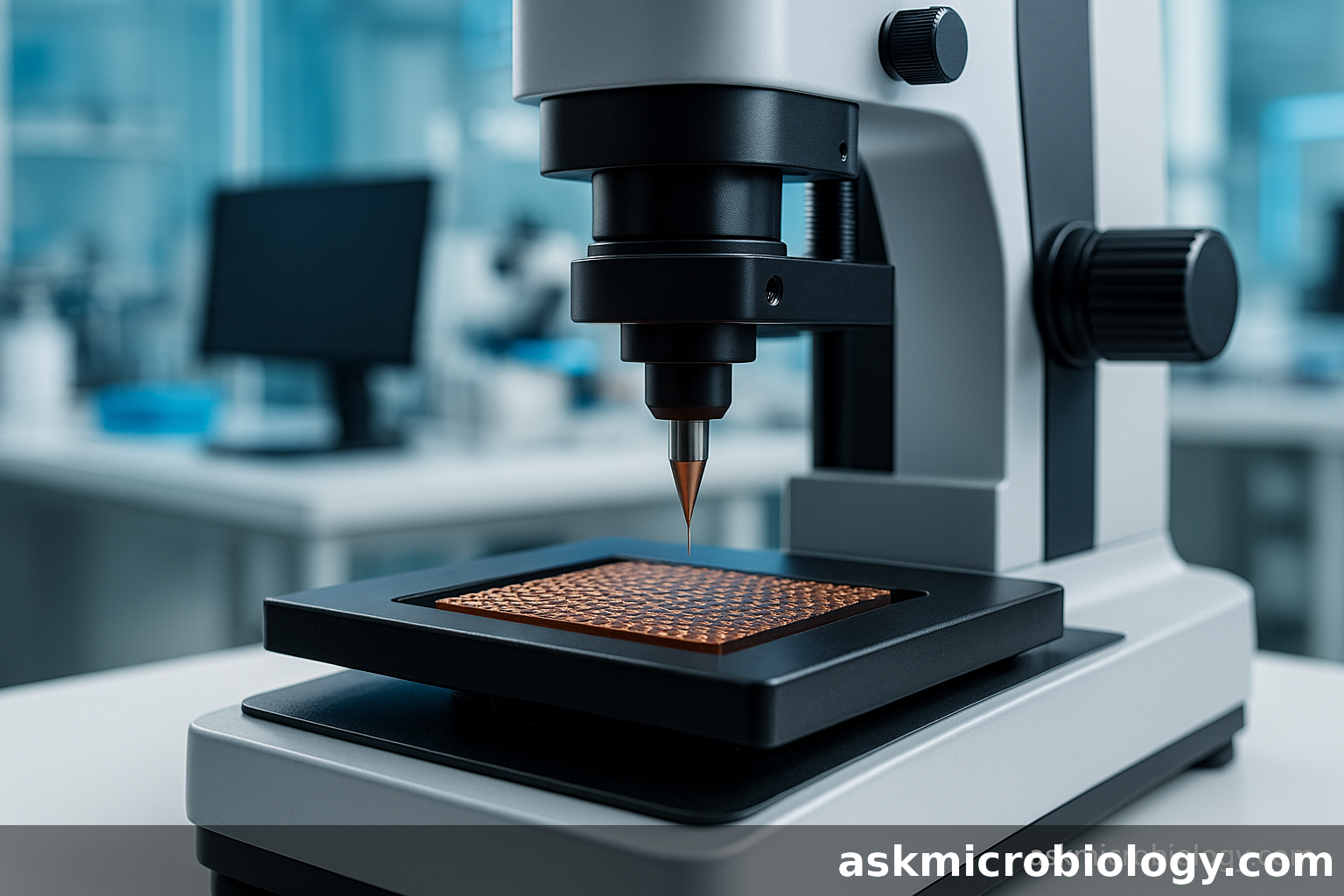
Atomic force microscope scanning a nanostructured sample with askmicrobiology.com watermark.

Principle of AFM Atomic Force Microscopy uses a nanometer‑scale cantilever tip to map surface topography with sub‑angstrom vertical resolution. The 2025 Global AFM Market Report estimates that over 12,000 instruments are currently in service worldwide, a 6.4 % CAGR since 2020. Core Components Component Function Typical Spec Cantilever & Tip Interacts with sample via van der … Read more

Understanding the Role and Importance of Pressure Relief Valves (100 PSI) in Lab Safety

Why 100 PSI Matters In microbiology autoclaves and fermenters, overpressure incidents above 100 PSI account for 14 % of lab safety alerts (OSHA, 2024). A properly rated pressure relief valve (PRV) prevents catastrophic vessel failure. Key Functions Overpressure Protection: Opens within ±5 PSI of set point. Automatic Reseal: Closes once pressure drops 10 % below set value. Corrosion Resistance: 316L … Read more

Advanced Biology Syllabus: Preparing for Success in Microbial Studies

Course Overview This advanced biology syllabus is designed for grades 11‑12 and first‑year undergraduates who aim to excel in microbial studies. According to the 2025 National Center for Science Education report, students who follow a structured, inquiry‑based syllabus score 18 % higher on standardized lab assessments. Core Units & Weekly Timeline Week Topic Key Lab Activity 1‑3 … Read more

150W Tungsten Bulbs: Lab Applications and Selection Tips for Optimal Lighting

Why 150 W? At 150 W, tungsten‑halogen bulbs deliver up to 3,100 lumens and a color temperature of 3,200 K—ideal for color‑critical microbiology imaging. A 2024 Lab Lighting survey found that 55 % of photo‑documentation stations still rely on tungsten sources for their superior color rendering index (CRI ≥ 95). Key Laboratory Applications Stereo Microscopy: Warm, high‑CRI light enhances contrast in colonyRead more

How Thermostatic Incubators Enhance Microbial Growth Precision

Precision Starts with Temperature Control Thermostatic incubators maintain temperatures within ±0.1°C, a level of stability that boosts colony‑forming unit (CFU) reproducibility by 35 %, according to a 2025 ASM benchmarking study. How Thermostatic Systems Work PID Controllers: Proportional‑Integral‑Derivative algorithms adjust heating cycles every 200 ms. Dual Sensors: Redundant PT100 probes reduce catastrophic overheat events to <0.1 %. Forced‑Air … Read more

Choosing Between 2-8°C Refrigerators and Freezers: What’s Best for Your Lab?

Why 2‑8°C Matters The 2‑8°C range is the sweet spot for preserving most clinical reagents and bacterial cultures. A 2024 WHO cold‑chain audit showed that samples stored above 8°C lost 28 % viability within 48 hours. Refrigerator vs. Freezer: Quick Comparison Parameter 2‑8°C Refrigerator 2‑8°C Freezer Typical Compressor Cycle 4‑6 min 7‑9 min Energy Use (kWh/day) 1.2 1.8 Door‑Open … Read more