
Bacteriology
Read more Anaerobic bacteria
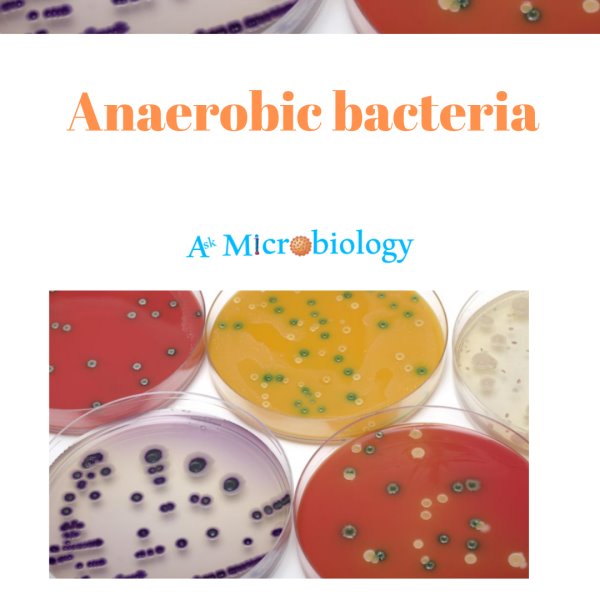
Anaerobic bacteria are those bacteria that cannot survive in the presence of oxygen

Practice microbiology questions, MCQs, quiz questions, and exam-style answers across bacteriology, virology, mycology, parasitology, immunology, PCR, Gram staining, microbial genetics, and antibiotic resistance, with AI-powered microbiology answers when you need them.
Whether you're a beginner, nursing student, medical learner, lab technician, or advanced microbiology student, AskMicrobiology helps you study with topic-based questions, clear explanations, glossary support, and an AI microbiology search engine that gives you real answers, not just links.
Test your knowledge with these common microbiology practice questions. Click to reveal each correct answer.
Gram-positive bacteria have a thick peptidoglycan layer and retain crystal violet during Gram staining, while Gram-negative bacteria have a thinner peptidoglycan layer plus an outer membrane containing lipopolysaccharide.
A plasmid is a small circular DNA molecule separate from the bacterial chromosome. Plasmids often carry genes related to antibiotic resistance, virulence, or metabolic traits.
The glycocalyx helps bacteria adhere to host cells and surfaces, contributing to colonization, biofilm formation, and protection from immune defenses.
PCR amplifies specific DNA sequences, making it useful for pathogen detection, microbial identification, resistance gene analysis, and molecular diagnostics.
Sabouraud agar is commonly used for fungal isolation, while other organisms may require media such as MacConkey agar, chocolate agar, or Löwenstein-Jensen medium.
Lyme disease is caused by Borrelia burgdorferi, which is transmitted by Ixodes ticks.
Endotoxins are lipopolysaccharide components of the Gram-negative bacterial outer membrane released upon cell lysis, while exotoxins are proteins actively secreted by both Gram-positive and Gram-negative bacteria that target specific host cell functions.
AST determines the effectiveness of antibiotics against a specific bacterial isolate, guiding clinicians in selecting the most appropriate antimicrobial therapy for infections.
Have a specific microbiology question? Try our AI-powered search, type any question and get a real answer with references, not just links.
Microbiology questions help students and professionals review core concepts in bacteriology, virology, mycology, parasitology, immunology, microbial genetics, and laboratory methods. This page brings together microbiology questions and answers, practice MCQs, and topic-based quiz resources for beginners, exam candidates, lab technicians, and advanced learners. Need a quick answer? Use our AI-powered microbiology search to ask any question and get an instant, referenced explanation.
Whether you need microbiology practice questions for exam prep, clinical microbiology questions for board review, microbiology viva questions, or microbiology interview questions for lab technician roles, AskMicrobiology provides organized, topic-based question banks with clear explanations, plus an AI microbiology assistant that answers follow-up questions on demand. Our question bank covers organisms such as Escherichia coli, Staphylococcus aureus, Mycobacterium tuberculosis, Candida albicans, and Plasmodium species, along with diagnostic methods including PCR, ELISA, AST susceptibility testing, and Gram staining.
30+ quiz categories with MCQs from beginner to postgrad level. Practice questions across bacteriology, virology, immunology, and clinical microbiology.
Hundreds of glossary terms explained clearly, from peptidoglycan and lipopolysaccharide to PCR, ELISA, and flow cytometry.
Ask any microbiology question and get an AI-generated answer with references. Our AI search covers bacteriology, virology, immunology, lab methods, and more, providing instant answers, not just links.
Browse microbiology practice questions organized by subject area. Each topic links to dedicated quiz questions and answers.
Use microbiology practice questions to review key exam topics. Ideal for medical students, nursing students, lab technicians, and bioscience learners.
Five knowledge levels of microbiology multiple choice questions, from beginner to postgraduate. Pick yours.
| Level | Difficulty | Who It's For | |
|---|---|---|---|
| 💡 General Knowledge Germs, hygiene, basic cell biology, and everyday microbiology. | Beginner | Kids, hobbyists, curious learners | Start |
| 🔬 Intermediate Cell basics, bacterial structure, virus anatomy, and immunity fundamentals. | Intermediate | High school biology (Grade 10–12) | Start |
| 🎓 Advanced Clinical microbiology, immunology, microbial genetics, and lab techniques. | Advanced | Bioscience college students | Start |
| 📊 Expert Diagnostic microbiology, antimicrobial susceptibility testing, and public health integration. | Expert | Clinical + lab integration | Start |
| 🧬 Mastery Metagenomics, CRISPR, resistomes, epidemiology, and postgraduate-level pathogenesis. | Mastery | CRISPR, metagenomics, resistomes | Start |
16 specialized lab tracks with microbiology practice questions. Each links to its own quiz category with answers.
Master specimen processing, pathogen identification, AST susceptibility testing, and culture interpretation.
Learn pathogen screening for Salmonella and Listeria, HACCP safety standards, and plate counting techniques.
Test environmental water samples using membrane filtration, indicator counts, and heterotrophic plate assays.
Understand cleanroom validation, USP sterility protocols, bioburden control, and endotoxin (LAL) testing.
Practice industrial scale-up, bioreactor control, fermentation kinetics, and microbial strain optimization.
Design robust experiments with scientific controls, growth curve measurements, and proper documentation.
Run molecular assays like PCR amplification, gel electrophoresis, gene cloning, and DNA sequencing.
Cultivate viral strains, measure titers using plaque assays, and identify CPE cytopathic effects.
Identify clinical molds and yeasts using Sabouraud agar plates, KOH mount preps, and morphologic keys.
Examine blood and stool specimens to identify malaria parasites, helminth ova, and protozoan cysts.
Perform serological assays including ELISA plate runs, antigen-antibody matches, and flow cytometry.
Coordinate outbreak surveillance, emergency pathogen response, and reference laboratory confirmations.
Screen livestock and pets for zoonotic diseases, bovine mastitis, and animal herd infections.
Teach foundational skills including Gram staining, microscope operations, and laboratory biosafety.
Maintain validation protocols, standard reference cultures, reagent quality control, and audits.
Work safely under BSL guidelines, autoclave validation tests, and biosafety cabinet workflows.
These aren't trivia questions. They're the microbiology interview questions and viva questions that actually get asked in real interviews for lab technicians, clinical microbiologists, pharmaceutical scientists, and researchers.
Mock clinical microbiology interview questions on diagnostic decision-making, specimen rejection criteria, quality control, and clinical correlation.
Basic concepts, bacterial structures, taxonics, metabolic pathways, and classic genetic processes.
Good Laboratory Practices (GLP), validation metrics, equipment calibrations, and biosafety protocols.
GMP regulations, sterile processing, cleanroom behavior, environmental monitoring, and endotoxin limits.
Experimental designs, scientific methods, statistical tools, data interpretation, and reproducibility concerns.
Foodborne safety, HACCP audits, pathogen recovery setups, and sanitation validation procedures.
Water distribution checks, EPA compliance, sewage processes, indicator criteria, and field sampling.
PCR control checks, sequencing interpretation, NGS pipelines, and reference laboratory actions.
Look up microbiology terms in plain English, from peptidoglycan and glycocalyx to PCR, ELISA, and antibiotic resistance.
A diplococcus is a pair of spherical bacteria that remain attached after cell division. Historically the term described genera such as Diplococcus pneumoniae,...
A microbiological medium plural media is a formulation of nutrients and other components designed to support the growth and metabolic activities of...
Complex media are culture media that contain ingredients of unknown exact chemical composition, such as peptones, meat extract, yeast extract and other...
An autotroph is an organism that synthesizes organic molecules from inorganic carbon sources, usually carbon dioxide, using energy from light or chemical reactions.
Antifungal resistance occurs when pathogenic fungi can grow or survive despite exposure to an antifungal medicine that would normally inhibit or kill them....
Medications that eliminate or suppress pathogenic fungi Explanation Antifungals antimycotics are a category of antimicrobials that are designed to kill or...
These microbiology questions and answers are designed for educational use and organized around standard microbiology concepts taught in schools, universities, and laboratory training settings. Topics are grouped by subject, difficulty level, and practical use case, including bacteriology, virology, mycology, parasitology, immunology, molecular biology, and clinical microbiology. Content is reviewed for terminology accuracy, educational clarity, and alignment with accepted academic and clinical references.
Answers to the most frequently searched microbiology questions asked by students and professionals.
The most common microbiology questions cover Gram staining, bacterial cell structure, culture media selection, antibiotic resistance mechanisms, pathogen identification, PCR, sterilization, and the differences between bacteria, viruses, fungi, and parasites.
Microbiology questions and answers are study resources that present questions about microbial concepts alongside clear, factual answers. They cover bacteriology, virology, mycology, parasitology, immunology, and laboratory methods.
Basic microbiology questions for beginners cover topics like what bacteria are, how Gram staining works, the difference between prokaryotes and eukaryotes, what plasmids do, how sterilization differs from disinfection, and what PCR is used for.
Clinical microbiology questions focus on diagnostic topics such as specimen collection, culture interpretation, Gram stain results, antimicrobial susceptibility testing, infection control, and identification of pathogens like Staphylococcus aureus, Mycobacterium tuberculosis, and Neisseria gonorrhoeae.
Microbiology MCQs are multiple choice questions designed to test knowledge of microbiology concepts. They are widely used in exams, board reviews, and self-assessment across topics like bacteriology, virology, immunology, and clinical diagnostics.
Microbiology interview questions typically cover aseptic technique, contamination control, media preparation, autoclave use, biosafety protocols, quality control, AST susceptibility testing, and laboratory documentation practices.
Common Gram stain questions ask about the staining procedure steps, the difference between Gram-positive and Gram-negative bacteria, the role of peptidoglycan, crystal violet retention, and how to interpret Gram stain results for clinical diagnosis.
Common PCR questions ask about denaturation, annealing, extension, primer design, target specificity, contamination prevention, and how PCR is used for pathogen detection, resistance gene identification, and molecular diagnostics.
Culture media exam questions ask learners to match organisms to media, explain selective versus differential media, and identify media like MacConkey agar, Sabouraud agar, chocolate agar, Thayer-Martin medium, and Löwenstein-Jensen medium.
Microbiology practice questions improve exam performance through active recall, forcing students to retrieve and apply concepts about organisms, diagnostic methods, and treatment principles rather than passively reviewing notes.
Can't find your question? Ask our AI microbiology search engine to get an instant, AI-generated answer to any microbiology topic.
The most important microbiology questions usually start with foundational topics such as the difference between prokaryotic and eukaryotic cells, Gram-positive versus Gram-negative bacteria, plasmids, peptidoglycan, glycocalyx, endospores, sterilization, aseptic technique, microbial growth, and the use of PCR in pathogen detection. Students preparing for exams should also review culture media, host-pathogen interactions, antibiotic resistance, and common organisms such as Escherichia coli and Staphylococcus aureus.
Basic microbiology questions cover core concepts such as cell structure, microbial metabolism, taxonomy, microscopy, bacterial growth phases, and sterilization principles. Clinical microbiology questions are more diagnostic and patient-oriented. They often ask about specimen collection, Gram stain interpretation, culture media, antimicrobial susceptibility testing, infection control, and the identification of pathogens such as Haemophilus influenzae, Neisseria gonorrhoeae, and Mycobacterium tuberculosis.
Microbiology practice questions in exams usually focus on organism identification, Gram reaction, virulence factors, toxins, diagnostic tests, culture media, disease-agent matching, and molecular methods such as PCR. Common question styles include multiple-choice questions, short-answer questions, viva prompts, and case-based clinical microbiology questions.
Gram-positive and Gram-negative bacteria are central to microbiology because their cell wall differences affect staining, pathogenicity, immune recognition, and antimicrobial treatment. Questions in this area often mention peptidoglycan, outer membrane structure, lipopolysaccharide, endotoxin release, and the interpretation of Gram stain findings in laboratory diagnosis.
Common antibiotic resistance questions ask how plasmids carry resistance genes, how horizontal gene transfer spreads resistance, how misuse of antibiotics drives selection pressure, and why antimicrobial susceptibility testing matters in clinical microbiology. Related concepts often include MRSA, beta-lactam resistance, resistance genes, and stewardship principles.
Questions about culture media often test whether learners can match organisms to media and explain why a medium is selective, differential, enriched, or specialized. Examples include MacConkey agar for Gram-negative enteric bacteria, chocolate agar for Haemophilus influenzae, Thayer-Martin medium for Neisseria gonorrhoeae, Sabouraud agar for fungi, and Löwenstein-Jensen medium for Mycobacterium tuberculosis.
The best beginner microbiology MCQs cover high-frequency topics such as bacterial structure, the function of plasmids, the meaning of Gram staining, the role of capsules and glycocalyx, basic metabolism, sterilization versus disinfection, PCR, and the difference between bacteria, fungi, protozoa, and viruses. The strongest beginner questions use direct language but still introduce standard scientific terms.
Microbiology viva questions often ask students to explain procedures or reasoning out loud. Common viva topics include how Gram staining works, why a particular culture medium is chosen, the difference between endotoxin and exotoxin, the role of PCR in diagnosis, the importance of biosafety levels, and how to distinguish important pathogens in bacteriology, virology, mycology, or parasitology.
Microbiology lab technician interviews often include questions on aseptic technique, contamination control, colony counting, media preparation, instrument handling, autoclave use, environmental monitoring, quality control, documentation, and biosafety workflows. In clinical or pharmaceutical settings, interviewers may also ask about AST susceptibility testing, endotoxin testing, GMP, GLP, and deviation handling.
High-frequency organisms in microbiology questions include Escherichia coli, Staphylococcus aureus, Clostridium perfringens, Treponema pallidum, Borrelia burgdorferi, Haemophilus influenzae, Neisseria gonorrhoeae, Mycobacterium tuberculosis, Candida albicans, Cryptococcus neoformans, Trypanosoma cruzi, and Plasmodium species. These organisms recur because they help teach taxonomy, pathogenesis, diagnostics, treatment logic, and disease association.
PCR questions are important because PCR is a major molecular tool in microbiology for amplifying DNA, detecting pathogens, identifying resistance genes, and supporting rapid diagnostics. Questions often ask about denaturation, primer binding, amplification cycles, target specificity, contamination control, and how PCR differs from traditional culture-based identification.
A strong microbiology question bank should include bacteriology, virology, mycology, parasitology, immunology, microbial genetics, metabolism, microscopy, sterilization, biosafety, culture media, Gram staining, host immunity, epidemiology, molecular diagnostics, and antimicrobial resistance. It should also include multiple difficulty levels and question types such as MCQs, flashcards, viva prompts, and case-based items.
Trustworthy microbiology questions and answers should be clearly written, terminology-accurate, aligned with accepted microbiology teaching standards, and linked to established academic or clinical reference methods. Trust increases when the page discloses who reviewed the content, when it was last updated, how explanations are written, and whether AI-generated assistance is checked before publication.
Microbiology practice questions improve retention by forcing active recall. Instead of passively reading notes, students must retrieve concepts such as the function of the glycocalyx, the significance of lipopolysaccharide, the role of plasmids in antibiotic resistance, or which medium isolates Neisseria gonorrhoeae. This repeated retrieval strengthens memory, builds diagnostic reasoning, and improves exam readiness.
In-depth articles on bacteriology, virology, clinical microbiology, infection control, and lab science.
Anaerobic bacteria are those bacteria that cannot survive in the presence of oxygen

!/images/posts/afmfeatured.png Principle of AFM Atomic Force Microscopy uses a nanometer‑scale cantilever tip to map surface topography with sub‑angstrom...

!https://askmicrobiology.com/wp-content/uploads/2025/06/photo1-22.jpgOverview The condenser is the heart of a light microscope’s illumination system, focusing...