What Are Nitrogen-Fixing Bacteria? Understanding Nature’s Fertilizer Factories

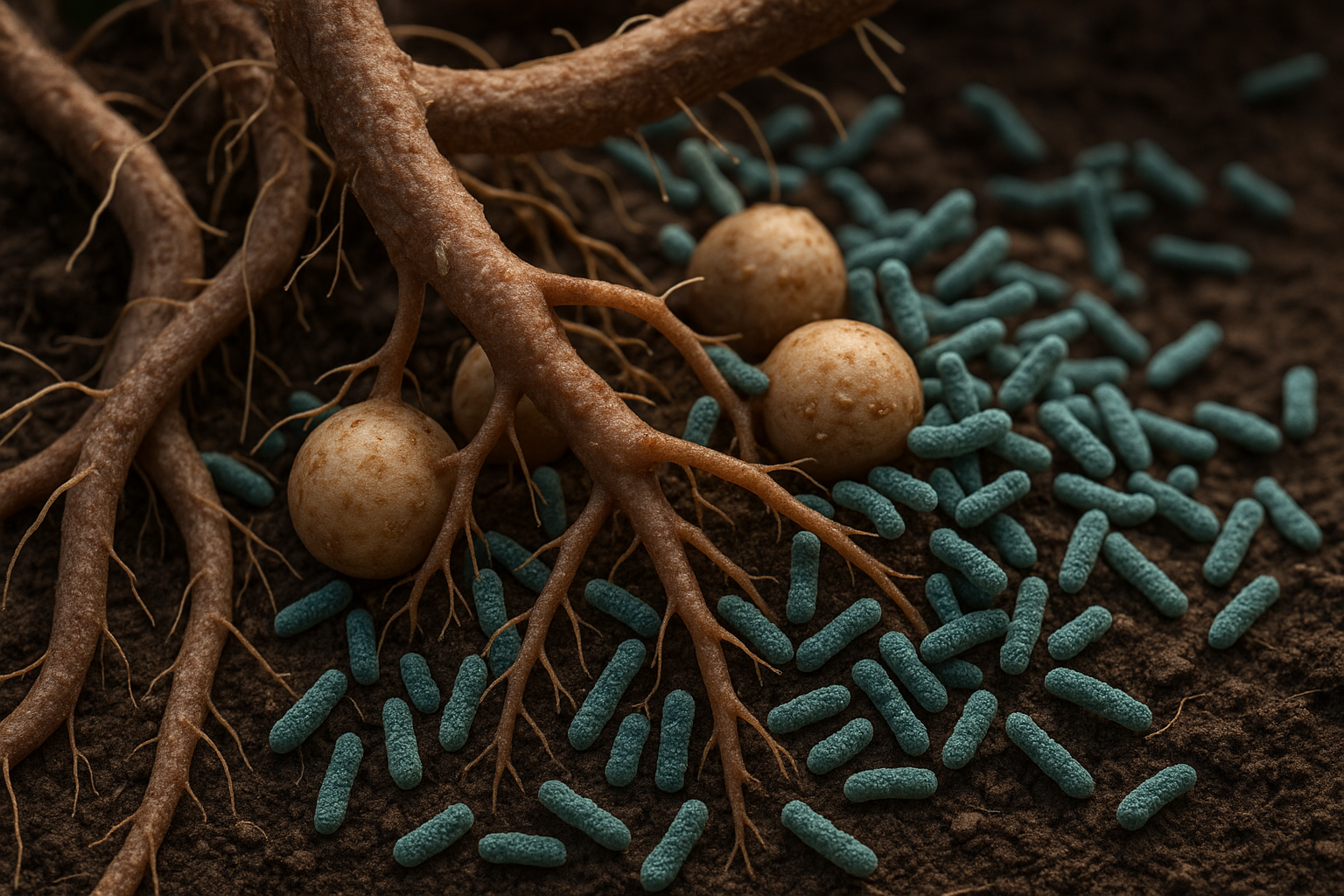
Plant root with nodules and nitrogen-fixing bacteria

Our world’s soil teems with unseen partners that quietly nourish plants without any help from fertilizers. In back yards and sprawling fields, these microbes capture nitrogen from air and hand it over to roots. Without them, legumes would wither and ecosystems would collapse. This article explores who these bacterial allies are and why they matter, … Read more

Nitrogen-Fixing Bacteria – Examples and Why They’re So Important

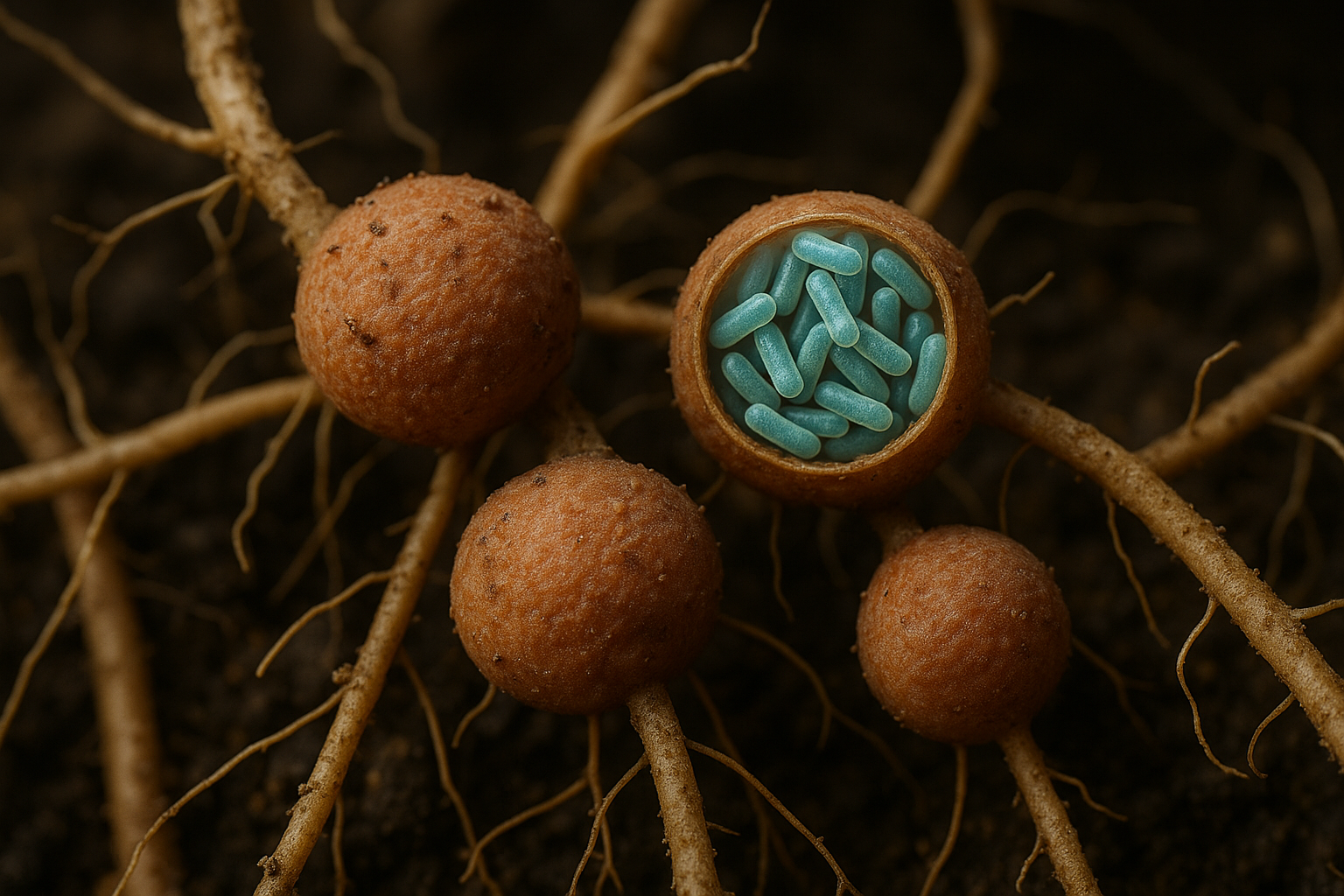
Plant root with nodules and nitrogen-fixing bacteria

Imagine if plants could pull fertilizer straight out of thin air. In a sense, that’s exactly what nitrogen-fixing bacteria do. The air around us is nearly 80% nitrogen gas, but neither plants nor animals can use nitrogen in that form. Enter these remarkable microbes – nature’s tiny chemical engineers that turn atmospheric nitrogen into forms … Read more

Respiration in Microorganisms: How Microbes Create Energy and Shape Life

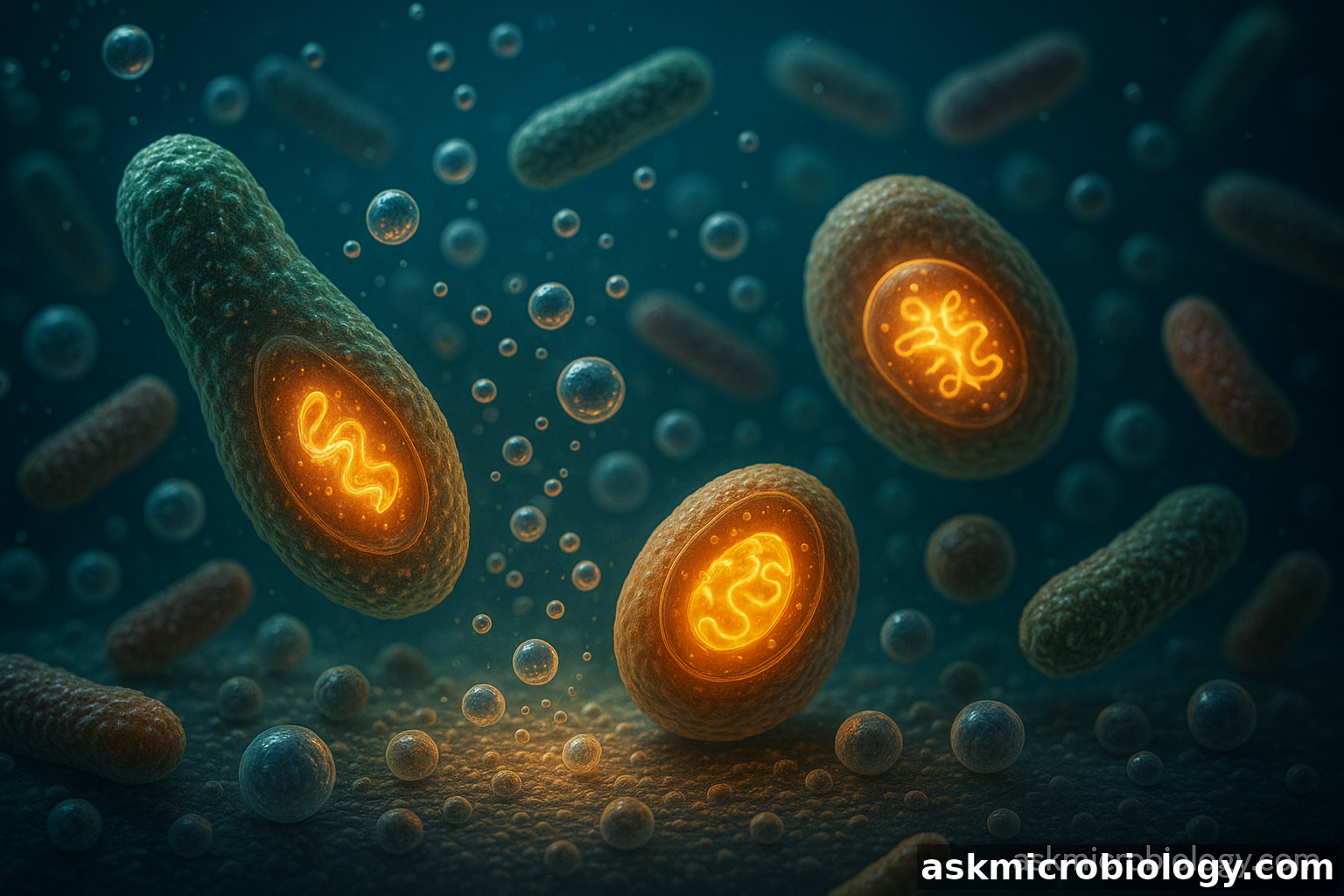
Microorganisms undergoing cellular respiration with glowing internal structures and bubbles, with askmicrobiology.com watermark

There’s a lot going on behind the scenes of everyday life. While we go about eating, working, or scrolling through our phones, microorganisms are busy doing something that keeps entire systems alive. They’re breaking down nutrients to create energy. It’s a process known as respiration in microorganisms, and even though it happens at a microscopic … Read more

Preparation Plates in Microbiology: Techniques and Best Practices

Why Plate Preparation Quality Matters Contaminated or uneven agar plates can inflate false‑positive rates by 12–25 % (CDC Lab Quality Report, 2023). Standardizing media depth and pH ensures reproducible colony morphology. Core Techniques Autoclave Parameters: 121 °C for 15 min at 15 psi achieves >6‑log spore reduction. Cooling to 50 °C: Pouring agar above 55 °C increases condensation by 35 %, leading … Read more

Nucleofector 4D: Enhancing Genetic Studies and Transfection Efficiency

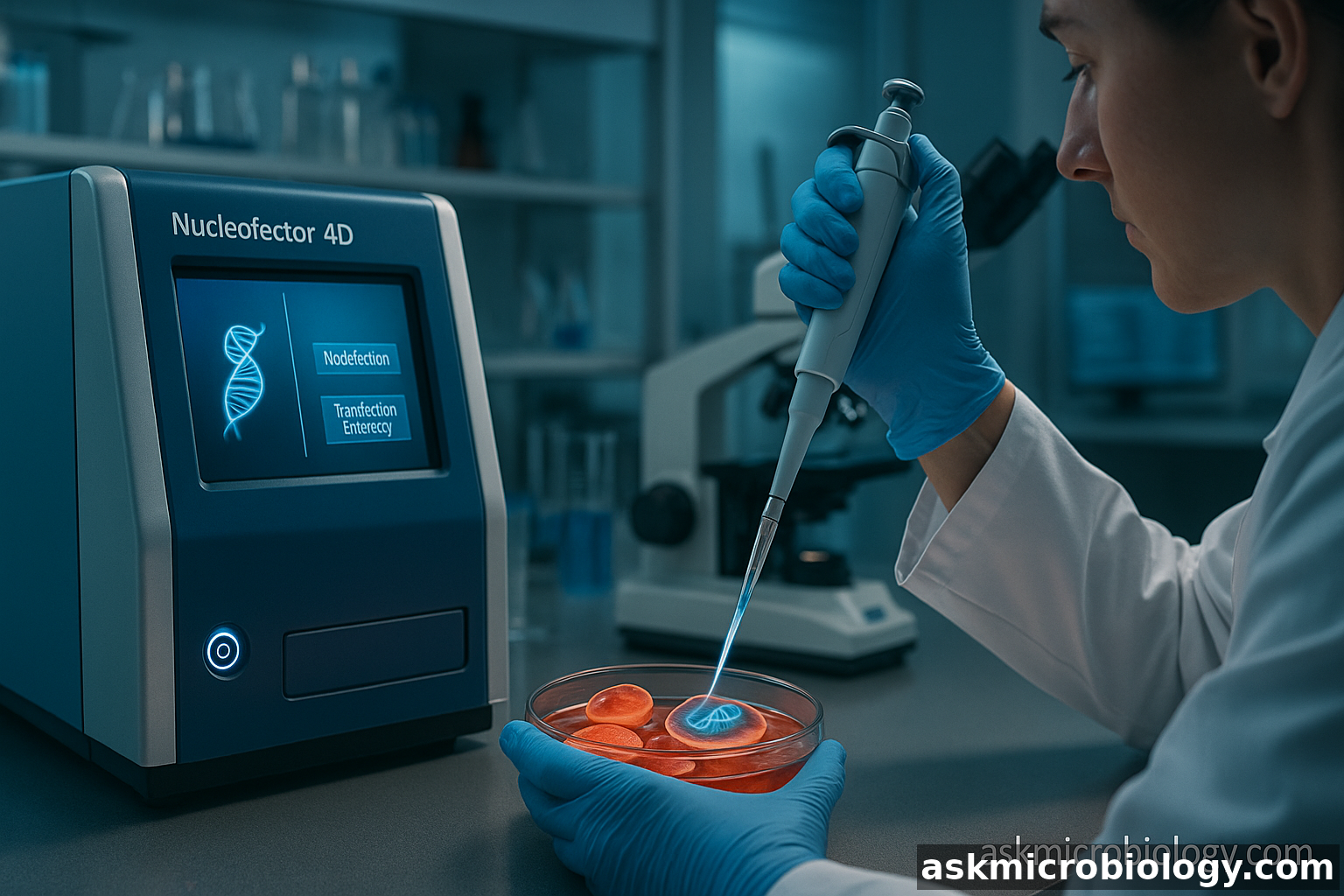
Scientist using a Nucleofector 4D device to transfect cells in a modern lab, askmicrobiology.com watermark

What Makes the 4D Nucleofector Unique? The Lonza 4D platform combines electroporation with proprietary buffers to deliver plasmids directly into the nucleus. Internal QA data (Lonza, 2024) report 90–95 % transfection efficiency in primary T cells—a 30 % gain over conventional cuvette electroporators. Key Performance Metrics Pulse duration: 20–50 ms square waves; adjustable in 1 ms increments. Cell viability: … Read more

Cell Homogenizers: Techniques, Uses, and Best Practices in Microbial Analysis

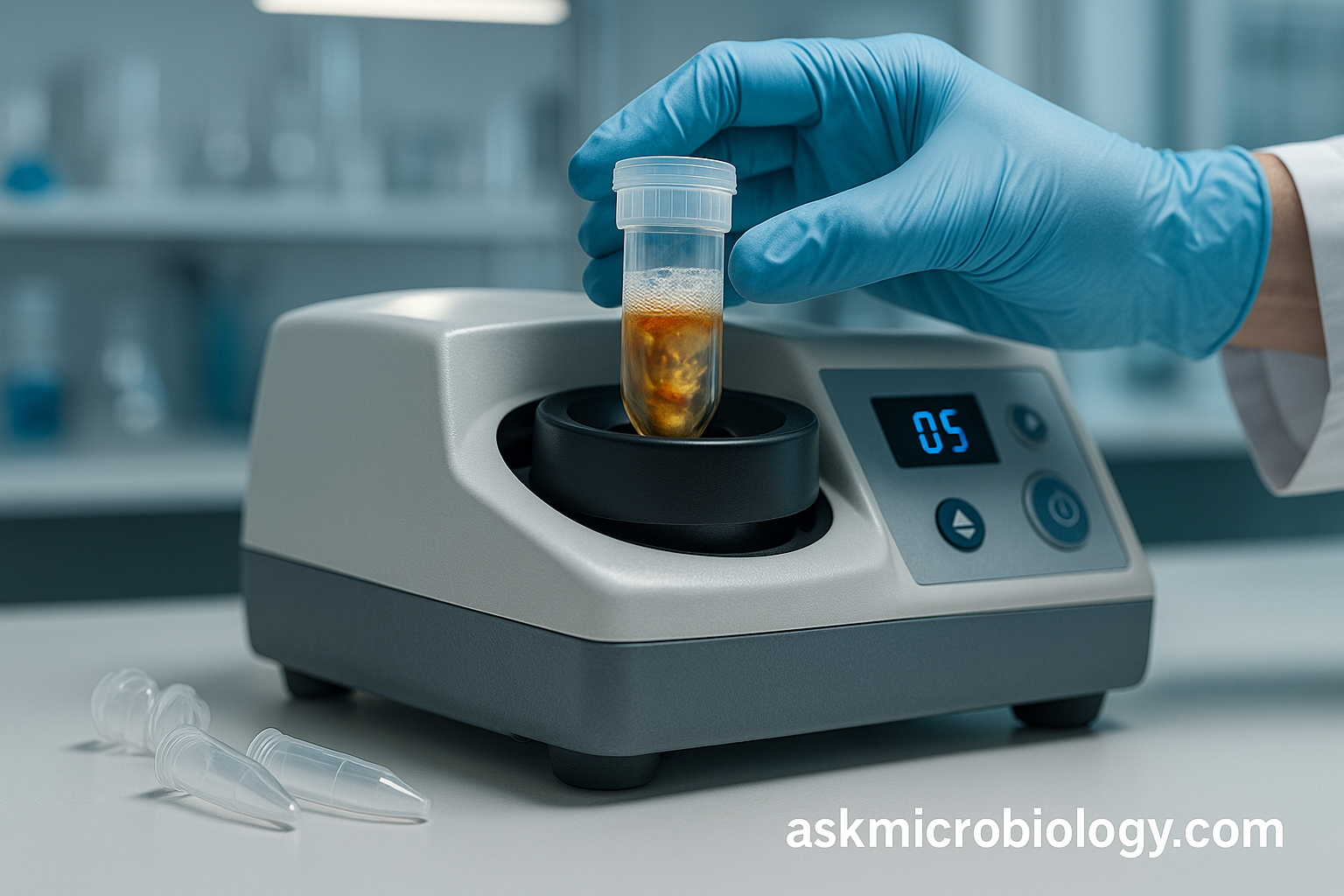
Modern lab cell homogenizer breaking down cells in a tube on a lab bench

Why Homogenization Matters Efficient cell disruption releases intracellular enzymes, DNA, and metabolites. A 2024 Microbial Biotechnology benchmark showed that optimized homogenization improved protein yield by 42 % versus manual grinding (n = 180 samples). Main Techniques Bead beating: 0.1–1 mm zirconia beads; achieves >95 % lysis of Gram‑positive cocci in 60 s. High-pressure homogenization: 20,000 psi disrupts yeast walls with 90 % efficiency … Read more

High-Pressure Autoclaves: Why Your Lab Might Need One and How to Choose

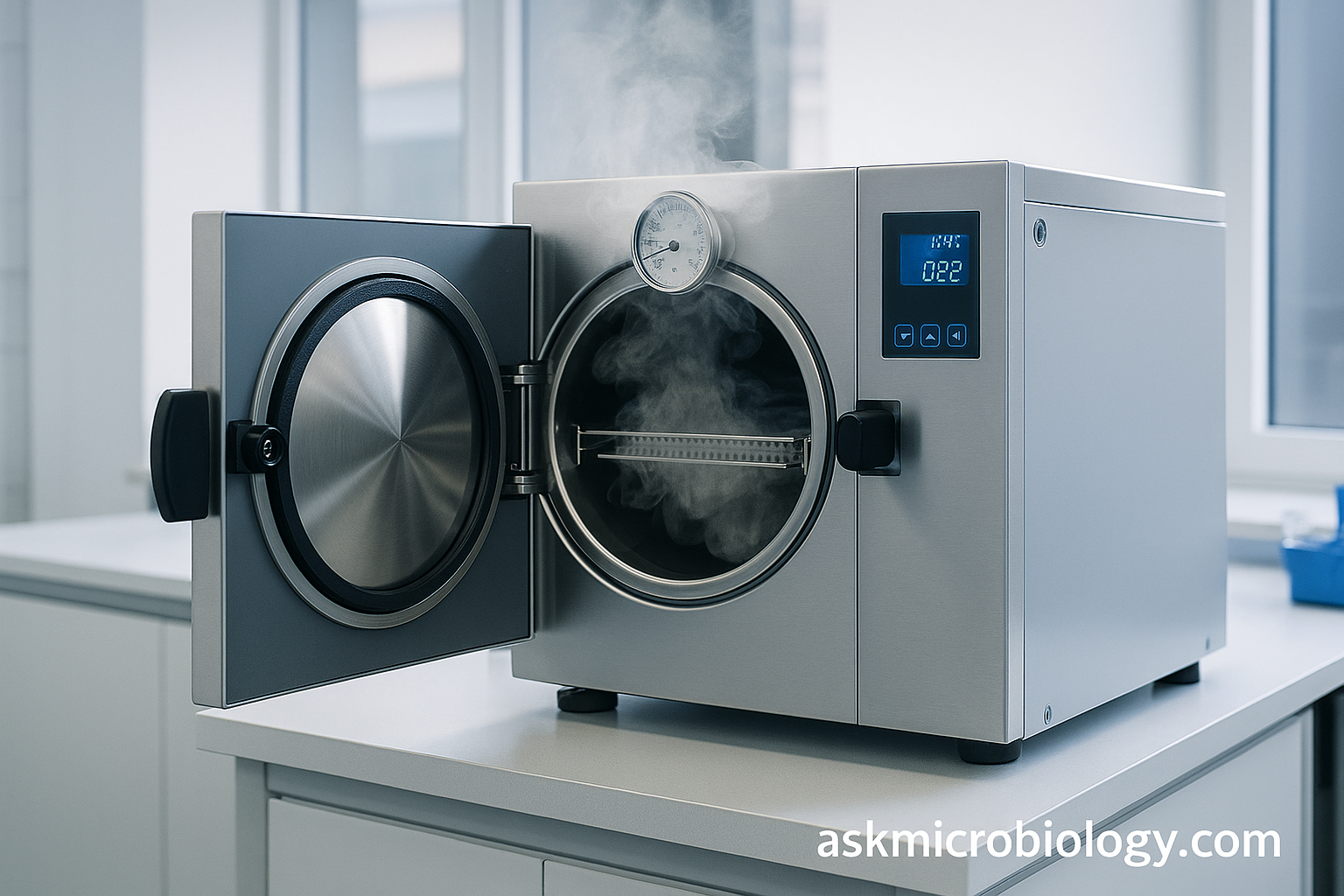
High-pressure autoclave releasing steam in a laboratory with digital controls, askmicrobiology.com watermark

Why Consider High-Pressure Autoclaves? Standard tabletop units max out at 30 psi. High-pressure models (up to 45 psi) reach 138 °C, cutting prion inactivation time from 60 min to 18 min (WHO, 2023). Performance Statistics A 2024 ECDC survey of 72 reference labs reported a 27 % reduction in cycle time after upgrading to high-pressure systems. Spore log reduction (G. stearothermophilus) … Read more

The Importance of Temperature-Controlled Water Baths in Microbiology: Precision and Reliability

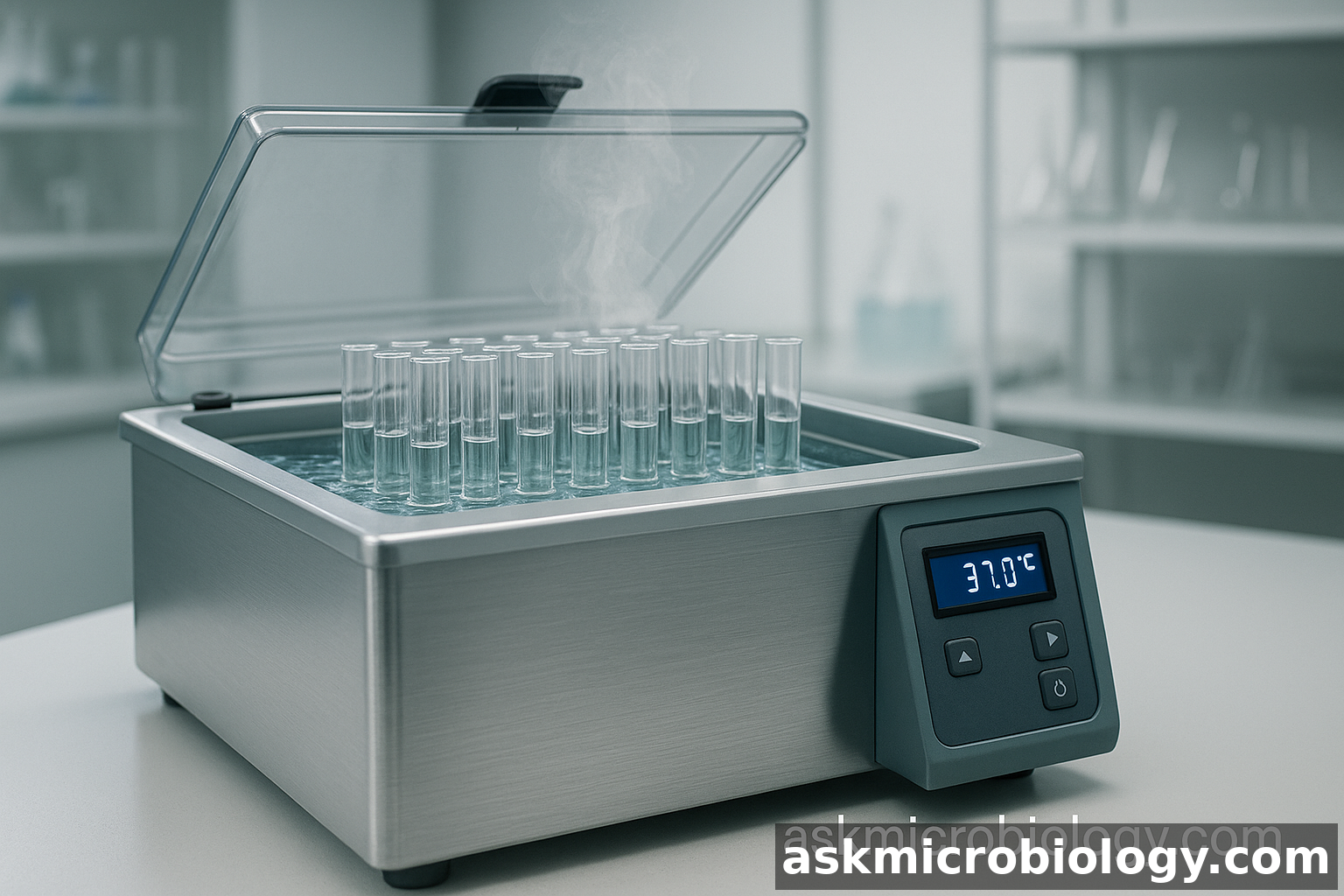
Temperature-controlled water bath with test tubes and digital display used in microbiology laboratory

Why Temperature Control Is Critical Microbial enzymes are exquisitely temperature‑dependent. A 2022 Applied and Environmental Microbiology study of 48 E. coli strains showed that a deviation of ±1 °C from the optimal 37 °C reduced growth rate by 12 % on average.[1] Typical Water‑Bath Applications DNA extraction: Proteinase K digestion at 56 °C; a 2023 inter‑lab trial found yield variability … Read more