Photosynthetic Bacteria

Photosynthetic Bacteria
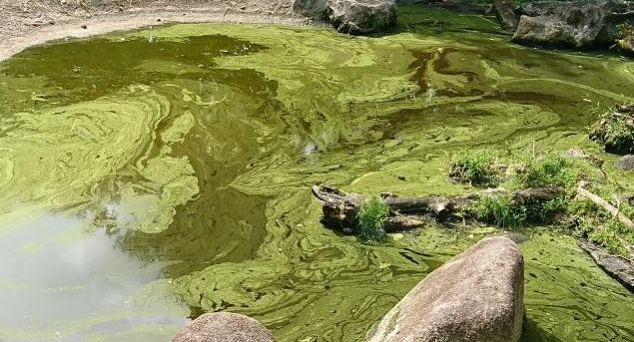
Photosynthetic bacteria are those bacteria that can prepare their own food by fixing the CO2 present in the environment. These bacteria can convert light energy into chemical energy and use it for their metabolism. CO2 + H2O ➝ C6H12O6 + O2 Examples: Cyanobacteria Why these bacteria are photosynthetic? These bacteria contain chlorophyll pigments that are … Read more
Archaea V/S bacteria

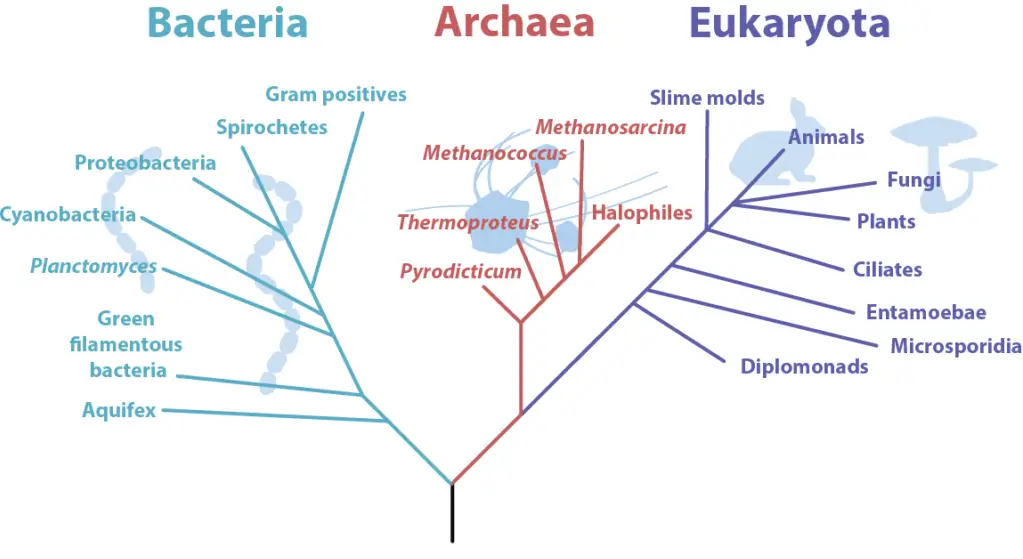
First, Archaea bacteria were classified in the eubacteria kingdom. Later in 1970, scientists separate the bacteria into two kingdoms as Archaea-bacteria and eubacteria. Below are some of the differences that are present among archaea and Bacteria. We have made two tables for your convenience of comprehending, one table contains the similarities of archaea and bacteria … Read more

Nitrifying bacteria convert?

Nitrification

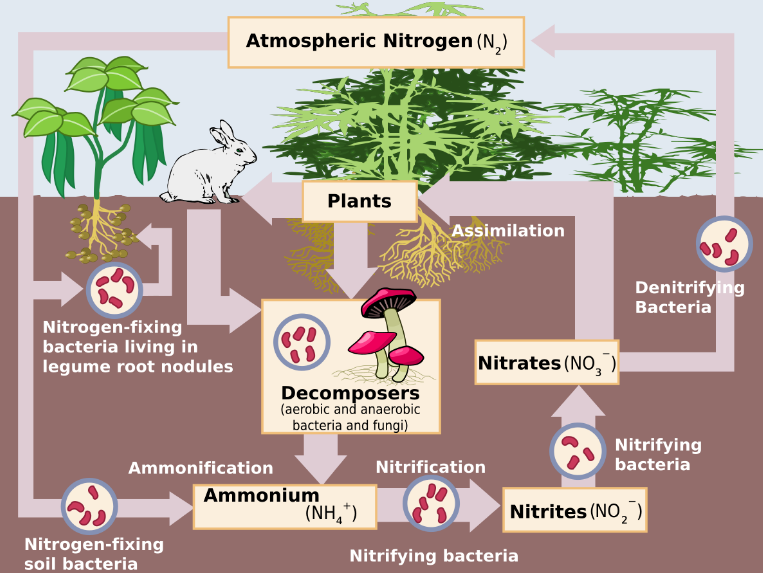
Nitrifying bacteria convert? Nitrifying bacteria are those bacteria that can convert nitrite into nitrate. These bacteria do this process into 2 steps: Ammonification Nitrification Nitrifying bacteria are chemoautotrophs that are commonly are Nitrobacter and Nitrospira. These bacteria contain nitrite oxidase enzyme that can convert the nitrite into nitrate. NO2 + H2O → NO3 + 2H Nitrogen … Read more

Toxins from pathogenic bacteria can be destroyed by freezing and cooking

Toxins are the metabolites that are produced by bacteria during their growth. These toxins are harmful to mankind. They produce many diseases in human. Many of the pathogenic bacteria produce toxins that cause food poisoning to humans. Cooking: Toxins inactivation by cooking depends on the toxin composition. Some toxins are heat stable toxins that are … Read more

Acid fast Bacteria

acid fast bacteria

Acid-fast bacteria are those bacteria that have mycolic acid in their cell wall. These bacteria stain acid-fast positive. This bacterium was first discovered by Ziehl–Neelsen that’s why the staining is also named by the scientist i.e Ziehl–Neelsen staining. Examples: Mycobacterium tuberculosis.  So in our article, we’ll consider this as a reference to define Acid Fast … Read more

Aerobic Bacteria

Aerobic Bacteria

“Aerobic bacteria are those that can survive or grow in the presence of oxygen” Examples: Bacillus, Nocardia, Pseudomonas. Classification of aerobic bacteria: There are three types of aerobic bacteria. Obligate aerobes: These bacteria are strictly survived in the presence of oxygen. These bacteria can’t live in the absence of oxygen. They immediately die if there … Read more

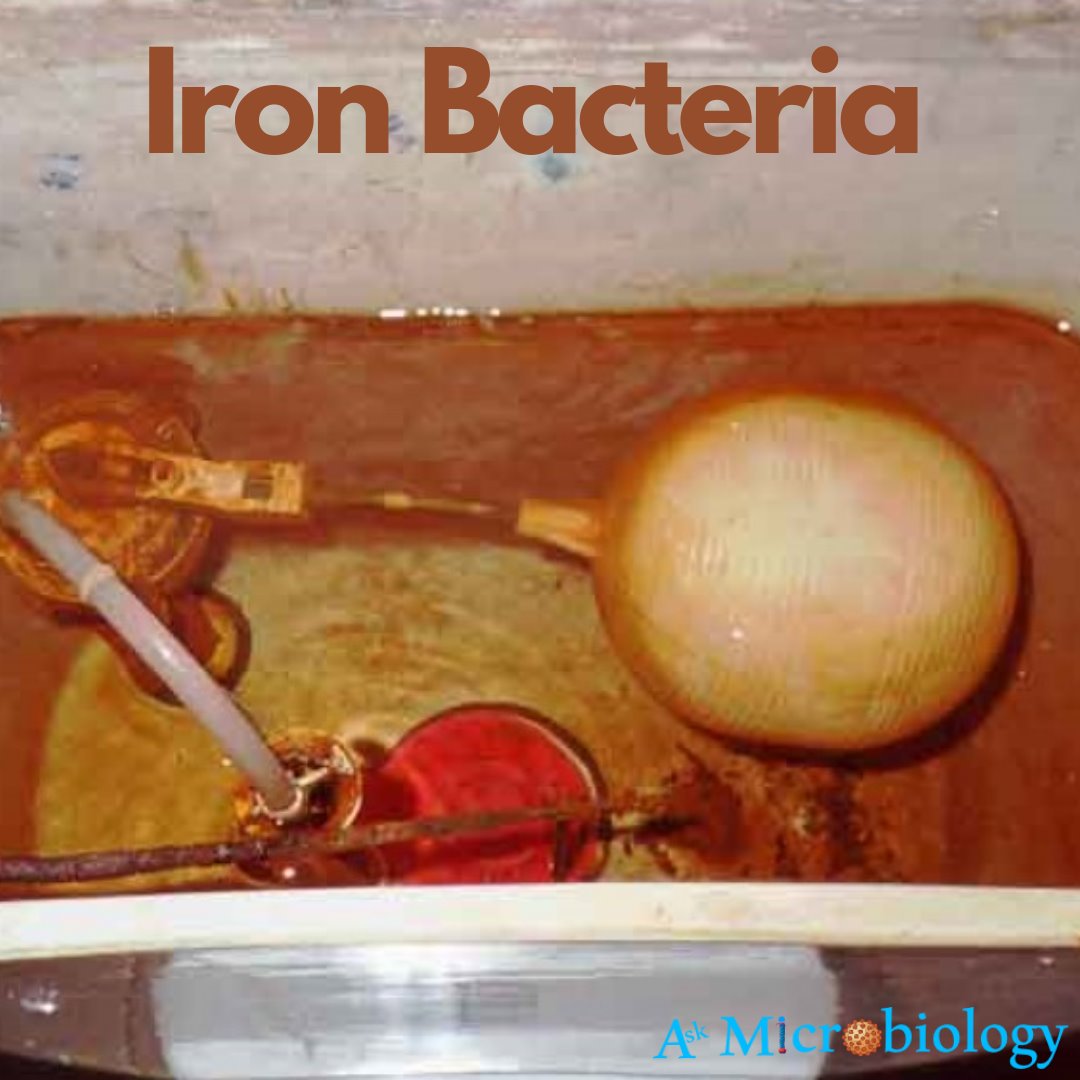
Iron bacteria

“Iron bacteria are those bacteria that can accumulate iron from their environment.” These bacteria deposit iron and store iron as storage granules. These bacteria cause iron to react with oxygen and form rust. They form sticky slime layers that allow them to attach and grow. These bacteria oxidize dissolved ferrous in the surroundings and use … Read more

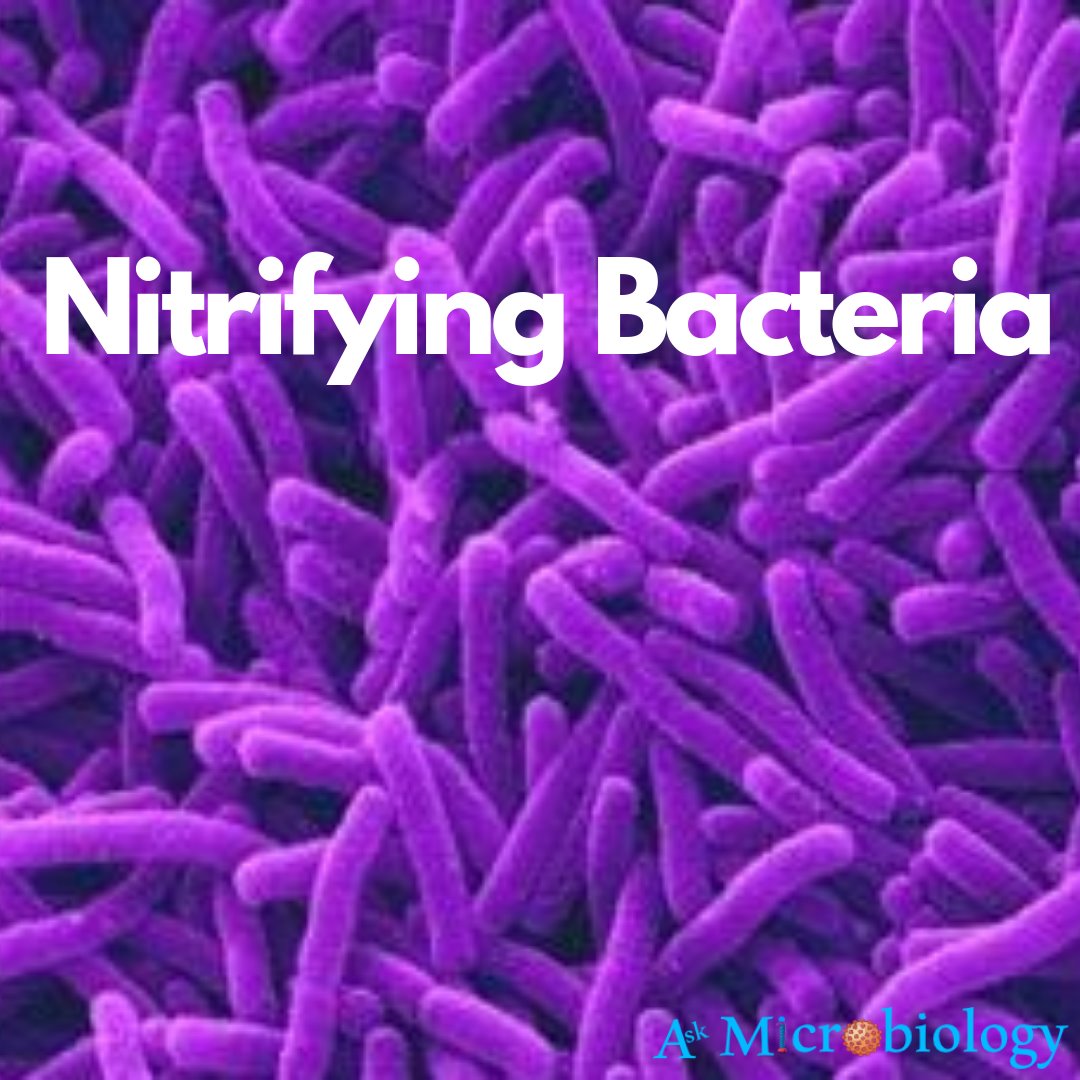
Nitrifying Bacteria

nitrifying bacteria

Nitrifying Bacteria—The Important Player of Nitrogen Cycle: Nitrogen in the form of N2 makes 78% of the atmosphere. It makes up the structure of living organisms. Nitrogen is present in proteins and DNA of living organisms. But despite such an abundance of nitrogen in nature, it is a limiting nutrient. Nitrogen in from of N2 … Read more

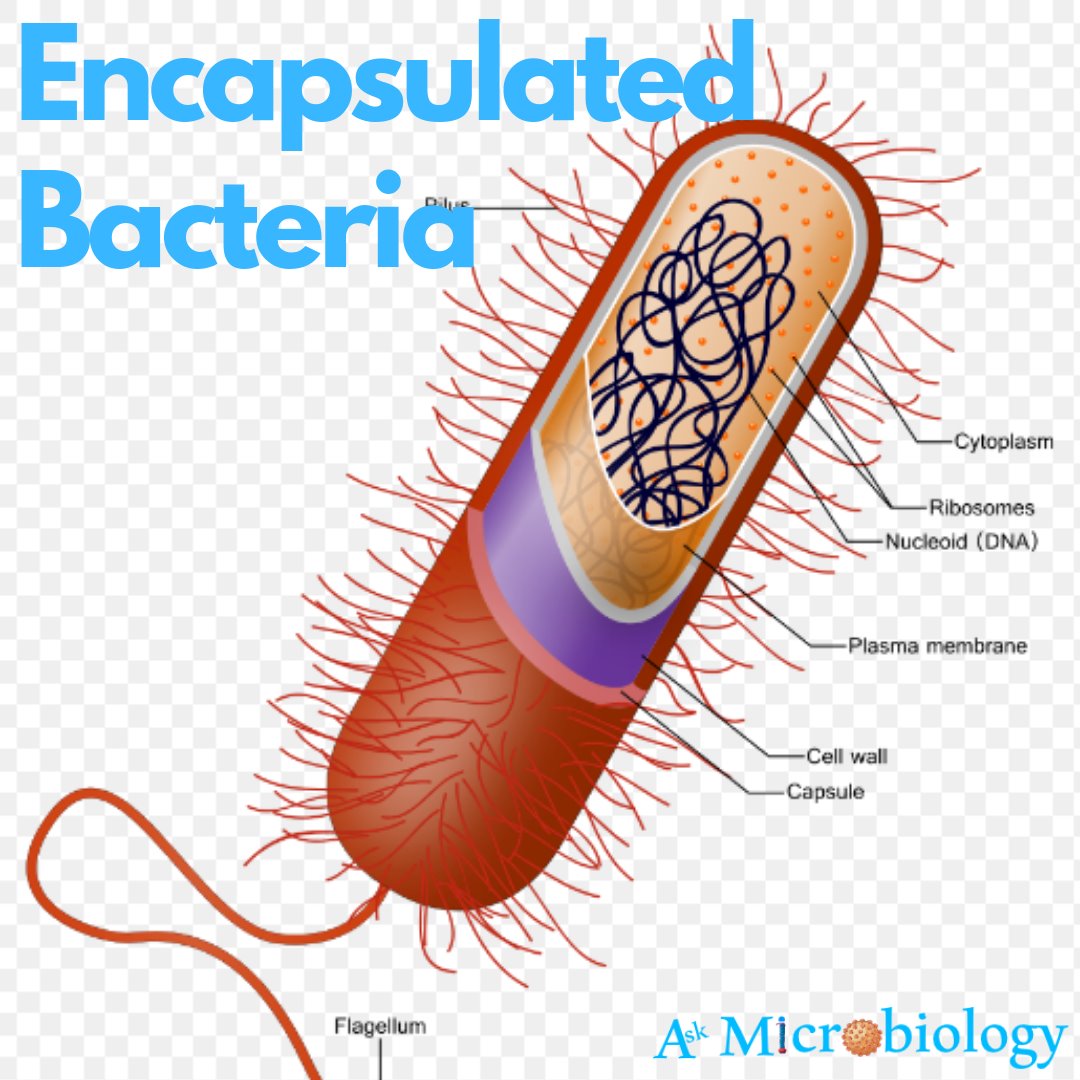
Encapsulated Bacteria

encapsulated bacteria

Encapsulated bacteria are those bacteria that contain polysaccharide capsule around their cell wall Examples: Streptococcus pneumonia, Hemophilus influenza Characteristics: This capsule can be found either on gram positive or gram negative bacteria. The capsule is different from the cell wall of bacteria. It is usually composed of polysaccharide but sometimes it is composed of glycoproteins. … Read more

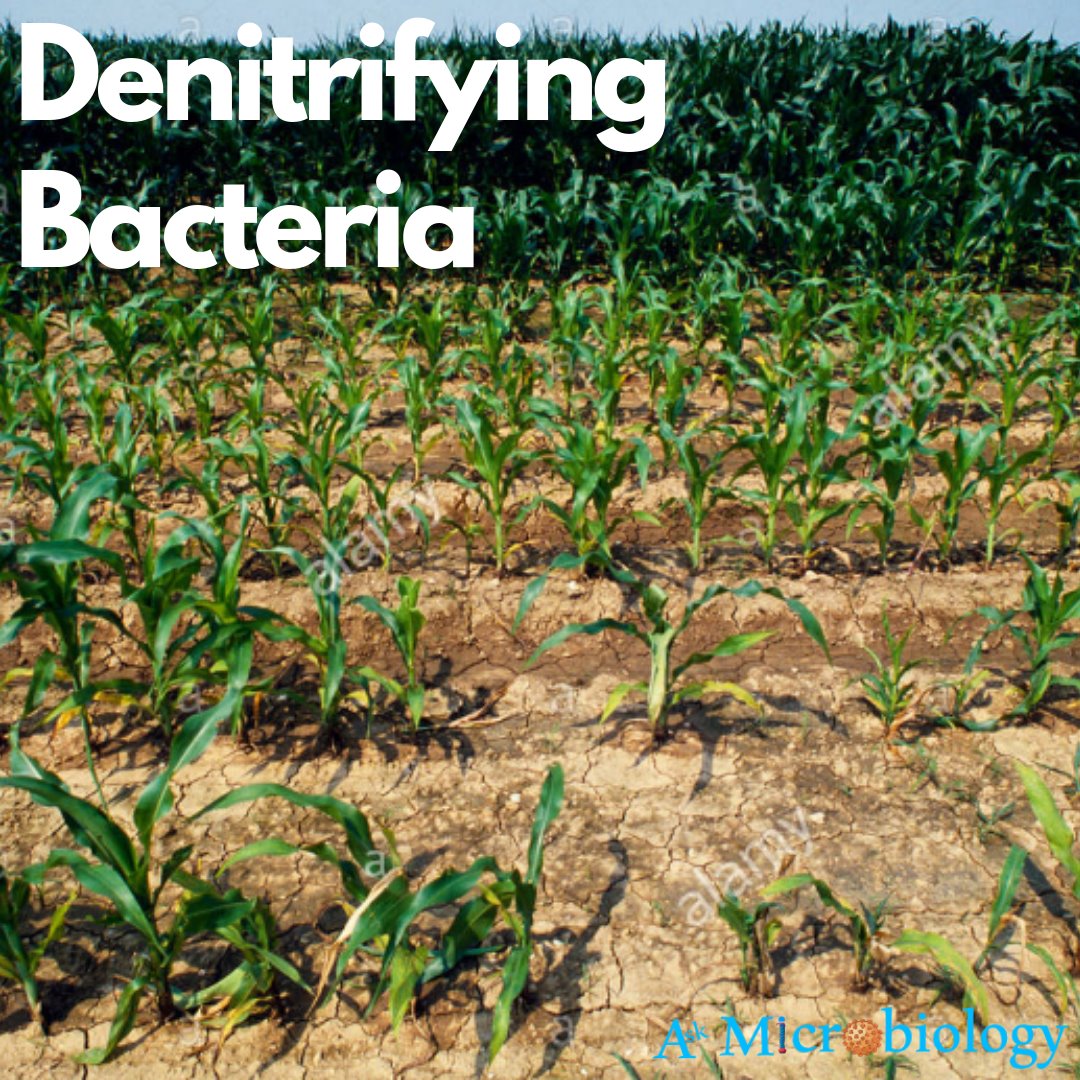
Denitrifying Bacteria

Denitrifying Bacteria

Denitrifying bacteria are those bacteria that can convert the nitrate into free nitrogen. These bacteria consume the soil nitrate and convert into free nitrogen thus decrease the fertility of the soil. Examples of denitrifying bacteria: Pseudomonas aeruginosa, Thiobacillus denitrificans. Habitat: These bacteria are usually present in water, sediments and soils. There is a great diversity … Read more