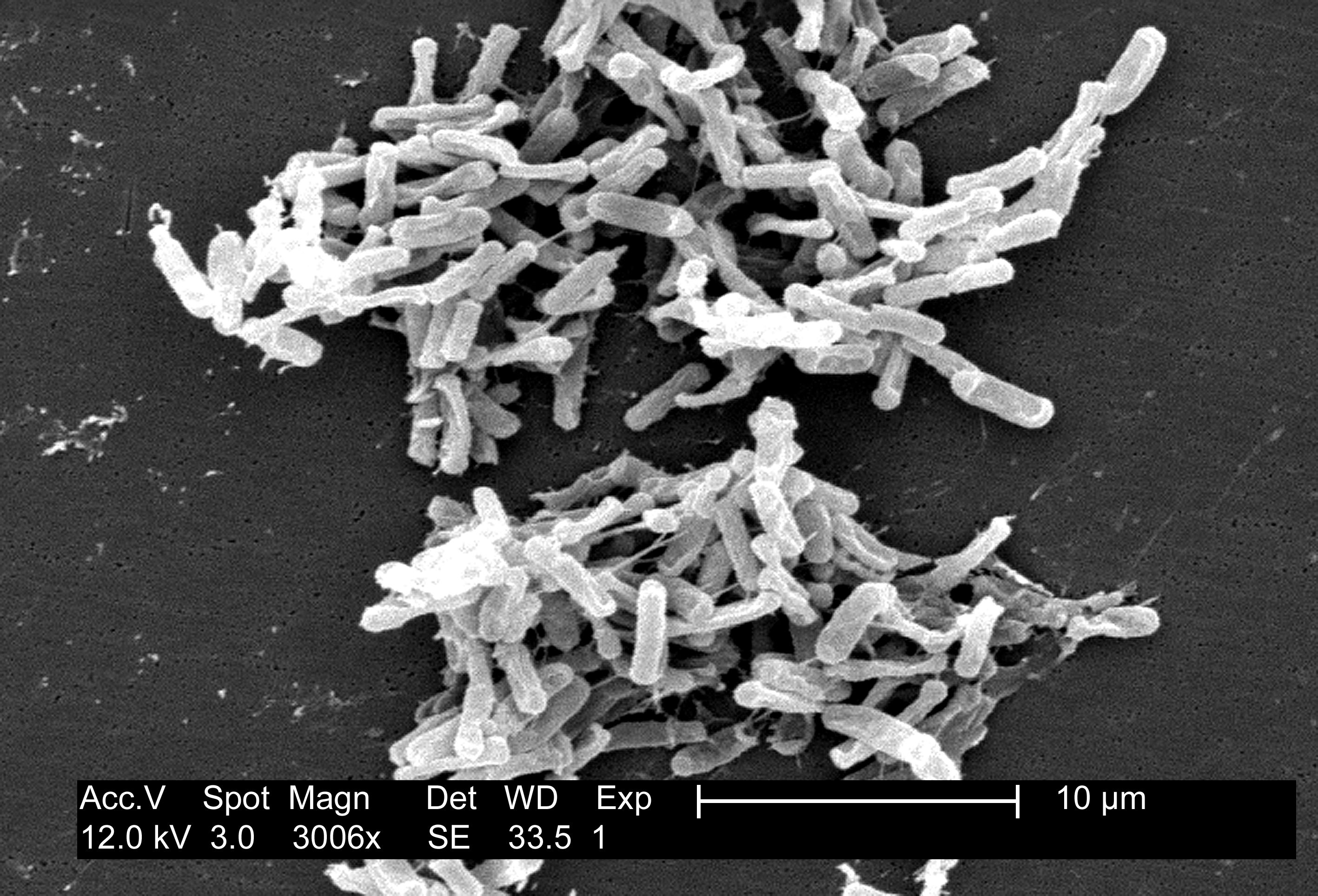
Clostridium sordellii is an anaerobic, Gram-positive, spore-forming bacillus notorious for causing rare but extraordinarily fulminant infections in humans and animals. Most notably, it is associated with a catastrophic, rapidly fatal toxic shock syndrome occurring primarily in postpartum and post-abortion females, characterized by marked absence of fever, refractory hypotension, severe peripheral edema, and dramatic leukemoid reactions.
Taxonomy and Classification
Clostridium sordellii is a member of the family Clostridiaceae within the phylum Firmicutes.
| Classification Rank | Taxonomic Name |
|---|---|
| Domain | Bacteria |
| Phylum | Firmicutes |
| Class | Clostridia |
| Order | Eubacteriales |
| Family | Clostridiaceae |
| Genus | Clostridium |
| Species | Clostridium sordellii |
| Binomial Name | Clostridium sordellii (Hall & Scott, 1927) |
Morphology and Physiology
Clostridium sordellii presents as large, straight Gram-positive rods with rounded ends, measuring 0.5–1.5 µm in width and 2.0–6.0 µm in length.
Key microbiological characteristics include:
- Spore Formation: Readily produces oval, subterminal endospores that resist environmental desiccation and temperature extremes.
- Motility: Motile via peritrichous flagella.
- Atmospheric Requirement: Obligate anaerobe, though small amounts of oxygen can be tolerated in rich media.
- Biochemical Reactions: Catalase negative, indole positive (which differentiates it from Clostridium bifermentans), and urease positive. It ferments glucose and maltose with gas production.
Toxins and Molecular Pathology
The extreme lethality of C. sordellii infections stems from its production of two potent high-molecular-weight exotoxins that belong to the Large Clostridial Cytotoxin (LCC) family:
1. Lethal Toxin (TcsL)
TcsL is the primary virulence determinant responsible for systemic toxicity. It acts as an intracellular glucosyltransferase, transferring a glucose moiety from UDP-glucose onto small GTP-binding proteins of the Ras and Rac subfamilies. This glucosylation permanently inactivates these molecular switches, dismantling the host cell’s actin cytoskeleton, destroying endothelial barrier integrity, and triggering widespread endothelial hyperpermeability and capillary leakage.
2. Hemorrhagic Toxin (TcsH)
TcsH functions similarly to Clostridium difficile Toxin A, exhibiting potent enterotoxic and hemorrhagic activity that causes extensive local tissue necrosis, vascular disruption, and microvascular thrombosis.
Exotoxin Ingestion/Secretion (TcsL) ──> Glucosylation of Host Ras/Rac GTPases ──> Cytoskeletal Collapse ──> Massive Capillary Leak ──> Refractory ShockClinical Manifestations and Syndromes
Clostridium sordellii causes a distinctive clinical syndrome characterized by a rapid, unheralded progression from non-specific symptoms to fatal shock within 24 to 48 hours.
1. Postpartum and Post-Abortion Toxic Shock Syndrome
Most documented human cases arise in healthy young women following childbirth, spontaneous miscarriage, or medically/surgically induced abortions (including regimens involving mifepristone and misoprostol). The organism ascends from transient vaginal colonization into the denuded, necrotic decidual lining of the uterus.
2. Soft Tissue Infections and Trauma
Deep penetrating wound infections, crush injuries, and contaminated black-tar heroin injection (in illicit drug users) can trigger necrotizing myonecrosis and non-gas-forming clostridial myositis.
3. Animal Enterotoxemia
In veterinary medicine, C. sordellii causes fatal “black disease” in sheep, abomasitis in calves, and sudden death syndrome in livestock.
Cardinal Signs and Symptoms: The “Apyrexial Triad”
Unlike septic shock caused by typical Gram-negative or Gram-positive bacteria, C. sordellii toxic shock syndrome is defined by a triad of striking clinical signs:
- Marked Absence of Fever (Apyrexia): Patients remain normothermic or hypothermic despite overwhelming systemic collapse.
- Refractory Hypotension with Massive Edema: Uncontrolled vascular capillary leak causes vast fluid sequestration into third spaces (pleural effusions, ascites, generalized anasarca), resulting in hemoconcentration with hematocrits frequently exceeding 50% to 60%.
- Extreme Leukemoid Reaction: Peripheral white blood cell counts surge to extraordinary levels (often > 50,000 to 100,000/µL), predominantly mature and band neutrophils, mimicking acute leukemia.
Early non-specific symptoms include mild cramping, nausea, vomiting, and diarrhea, leading to fatal cardiovascular collapse before diagnosis is confirmed.
Diagnosis and Identification
Due to the fulminant timeline, diagnosis requires a high index of clinical suspicion:
- Complete Blood Count: Dramatic leukemoid reaction (WBC > 50,000/µL) accompanied by progressive, severe hemoconcentration (elevated hematocrit).
- Imaging: Pelvic ultrasound or CT may demonstrate fluid in the endometrial cavity without significant free air, distinguishing it from gas gangrene caused by Clostridium perfringens.
- Gram Stain and Culture: Endometrial aspirates or wound exudates reveal large Gram-positive rods with subterminal spores. Cultures must be plated immediately onto prereduced brucella blood agar under strict anaerobic conditions.
- Polymerase Chain Reaction (PCR): Multiplex PCR detecting genes encoding TcsL and TcsH provides definitive, rapid molecular confirmation.
Treatment and Medical Emergency Protocol
Survival requires immediate, aggressive, multimodal medical and surgical intervention:
- Aggressive Volume Resuscitation: Massive infusions of crystalloids and albumin to counter ongoing capillary permeability and preserve central organ perfusion.
- Early Surgical Debridement or Hysterectomy: Because exotoxins continue to pour into circulation from the infected uterine or wound focus, immediate surgical removal of the nidus (emergency exploratory laparotomy and total hysterectomy) is life-saving.
- Antimicrobial Therapy: High-dose intravenous bactericidal antibiotics combined with protein synthesis inhibitors:
- Penicillin G (24 million units/day continuous IV) or Ampicillin-Sulbactam
- Clindamycin (900 mg IV every 8 hours): Critically halts bacterial ribosomal protein synthesis, terminating further exotoxin production.
- Metronidazole or Vancomycin for empirical broad anaerobic coverage.
- Experimental Antitoxin: While commercial antitoxin is not widely standardized, polyclonal intravenous immunoglobulin (IVIG) has been administered in select cases to neutralize circulating lethal toxin.