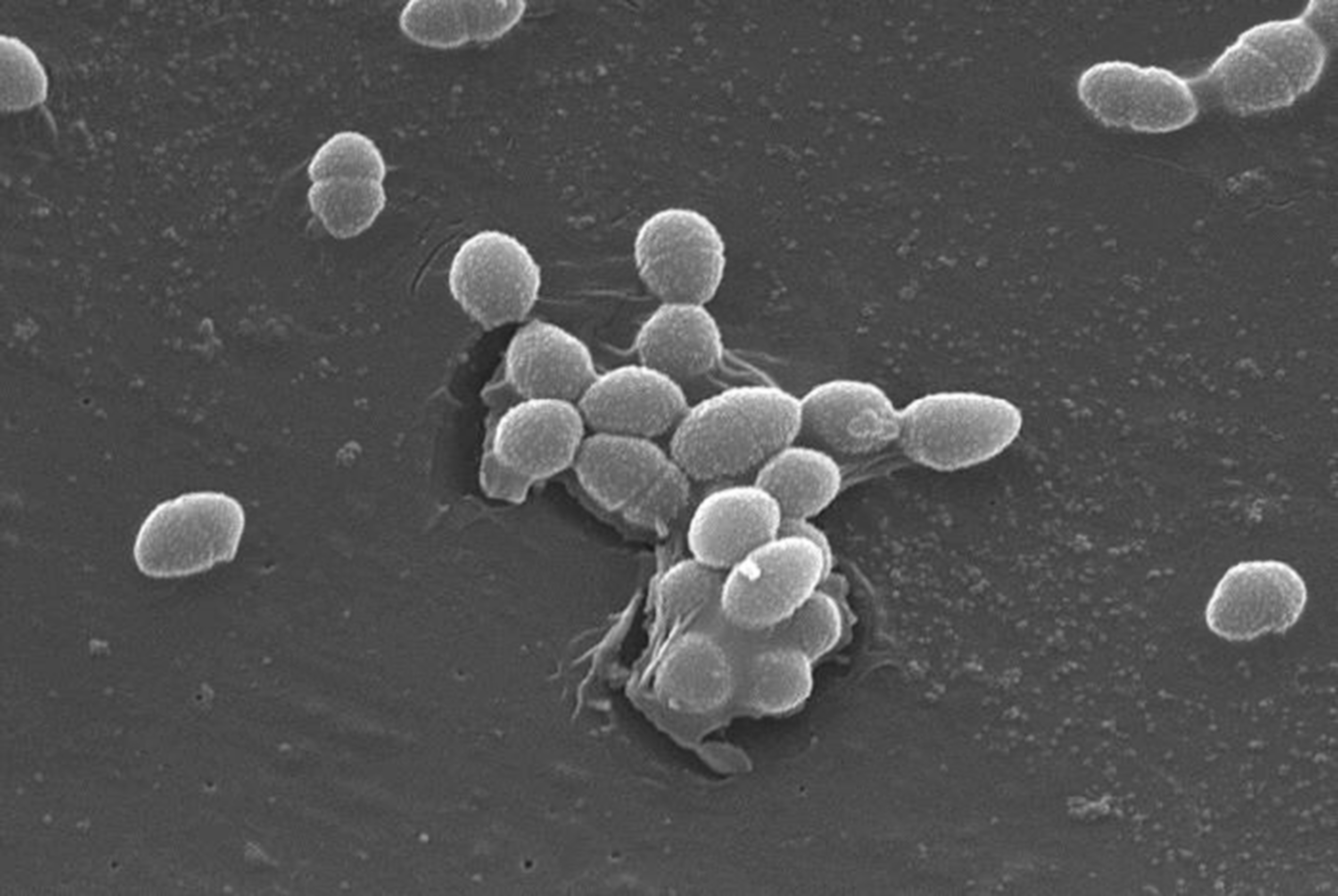
Enterococcus faecalis is a resilient, facultatively anaerobic Gram-positive coccus that resides as a harmless commensal in the gastrointestinal tracts of humans and other mammals. However, within hospital environments, its remarkable survival traits, intrinsic antibiotic resistance, and capacity to acquire multidrug resistance make it a major opportunistic pathogen responsible for urinary tract infections, bacteremia, endocarditis, and wound infections.
Historical Taxonomy
The term “Entérocoque” was originally coined by Thiercelin in 1899 to describe intestinal saprophytic diplococci capable of causing systemic infection. That same year, MacCallum and Hastings isolated the organism from a fatal case of infective endocarditis, naming it Micrococcus zymogenes.
In 1937, Rebecca Lancefield classified these organisms as Group D Streptococci (Streptococcus faecalis). In 1984, Schleifer and Kilpper-Bälz conducted DNA-DNA hybridization studies that officially transferred Streptococcus faecalis and Streptococcus faecium out of the genus Streptococcus into their own separate genus: Enterococcus.
Classification
| Classification Rank | Taxonomic Name |
|---|---|
| Domain | Bacteria |
| Phylum | Firmicutes |
| Class | Bacilli |
| Order | Lactobacillales |
| Family | Enterococcaceae |
| Genus | Enterococcus |
| Species | Enterococcus faecalis |
| Binomial Name | Enterococcus faecalis (Andrewes & Horder, 1906; Schleifer & Kilpper-Bälz, 1984) |
Morphology and Physiological Hardiness
Enterococcus faecalis appears microscopically as non-motile Gram-positive cocci arranged in pairs (diplococci) or short chains.
The organism is distinguished by extreme environmental hardiness:
- Atmospheric Tolerance: Facultative anaerobe capable of fermenting carbohydrates without gas production.
- Temperature Extremes: Grows between 10°C and 45°C, and survives heating at 60°C for 30 minutes.
- pH Extremes: Highly alkaliphilic; multiplies comfortably in alkaline media up to pH 9.6.
- Osmotic and Chemical Resilience: Thrives in 6.5% sodium chloride (NaCl) broth, 40% bile salts, high concentrations of detergents, and alcohol-based desiccants.
- Catalase Reaction: Typically catalase-negative, but can produce a “pseudocatalase” reaction on blood-containing agar due to heme absorption.
Virulence Factors and Pathogenicity
While lacking potent exotoxins, E. faecalis possesses a sophisticated arsenal of virulence factors:
- Aggregation Substance (AS): A plasmid-encoded surface adhesin that facilitates intimate donor-recipient contact during pheromone-inducible plasmid transfer and mediates adhesion to host enterocytes and renal cells.
- Enterococcal Surface Protein (Esp): Directly implicated in urinary tract colonization and biofilm formation on abiotic surfaces (urinary catheters, central venous lines, prosthetic heart valves).
- Cytolysin / Hemolysin: A plasmid-encoded toxin that ruptures erythrocytes, polymorphonuclear leukocytes, and macrophages, increasing systemic mortality up to five-fold in animal models.
- Gelatinase (GelE) and Serine Protease (SprE): Extracellular zinc metalloproteases that degrade host tissue collagen, fibrin, and complement factors.
Enterococcus faecalis Colonization ──> Adhesins (AS, Esp) ──> Biofilm Formation ──> Proteases (GelE) + Cytolysin ──> Tissue InvasionClinical Manifestations
1. Urinary Tract Infections (UTIs)
The most common clinical presentation, occurring predominantly in hospitalized patients with indwelling urinary catheters (Catheter-Associated UTIs). Symptoms include dysuria, suprapubic tenderness, hematuria, and pyelonephritis.
2. Infective Endocarditis
Enterococcus faecalis accounts for 10% to 15% of all bacterial endocarditis cases, usually affecting elderly patients with degenerative valvular disease or prosthetic valves following urinary or gastrointestinal manipulations. It presents with subacute fever, new or changing cardiac murmurs, splinter hemorrhages, and embolic phenomena.
3. Bacteremia and Sepsis
Bacteremia arises from infected vascular catheters, intra-abdominal abscesses, or ascending pyelonephritis, carrying a high 30-day mortality if untreated.
4. Endodontic Infections and Periodontitis
Because of its alkaline tolerance and resistance to calcium hydroxide intracanal medicaments, E. faecalis is the primary pathogen recovered in 70% to 90% of persistent, failed root-canal infections.
Diagnostic Identification
- Microscopy: Gram-positive cocci in pairs and short chains.
- Culture Characteristics:
- Blood Agar: Gray, smooth, entire colonies showing gamma-hemolysis (non-hemolytic) or alpha-hemolysis.
- Bile Esculin Agar: Rapidly hydrolyzes esculin in the presence of 40% bile, forming a dark brown-to-black ferric complex.
- 6.5% NaCl Broth: Growth with turbidity.
- PYR Test: Positive for L-pyrrolidonyl arylamidase (cleaves PYR substrate to produce a red color upon adding cinnamaldehyde reagent).
- Molecular Diagnostics: Multiplex PCR targeting the ddl (D-alanine:D-alanine ligase) gene specifically identifies E. faecalis and differentiates it from Enterococcus faecium.
Antimicrobial Resistance and Treatment
The treatment of E. faecalis infections is complicated by its intrinsic and acquired resistance profiles:
Intrinsic Resistance
- Low-affinity penicillin-binding proteins (PBPs) confer intrinsic low-level resistance to β-lactams.
- Low membrane permeability gives low-level resistance to aminoglycosides.
- Completely resistant to cephalosporins, clindamycin, trimethoprim-sulfamethoxazole (in vivo), and aztreonam.
Standard Therapies for Susceptible Strains
- Uncomplicated UTI: Oral Ampicillin, Amoxicillin, or Nitrofurantoin.
- Systemic Bacteremia and Endocarditis: Synergistic dual-drug bactericidal regimens combining high-dose Ampicillin with Gentamicin (for aminoglycoside-susceptible isolates) or Ampicillin with Ceftriaxone (which saturates complementary PBPs without aminoglycoside nephrotoxicity).
Vancomycin-Resistant Enterococci (VRE)
When strains acquire the vanA or vanB gene clusters (which alter cell wall precursors from D-Ala-D-Ala to D-Ala-D-Lac), vancomycin is rendered ineffective. Therapeutic alternatives for VRE include:
- Linezolid (oxazolidinone protein synthesis inhibitor)
- Daptomycin (lipopeptide targeting cell membrane potential; high doses required)
- Tigecycline (glycylcycline for intra-abdominal infections)
Prevention and Infection Control
Given the environmental resilience of E. faecalis, prevention requires strict institutional infection control:
- Rigorous hand hygiene using alcohol rubs or antimicrobial soap before and after patient contact.
- Prompt removal of unnecessary indwelling urinary catheters and vascular lines.
- Environmental decontamination of shared medical devices (blood pressure cuffs, thermometers) and high-touch room surfaces using chlorine- or accelerated hydrogen peroxide-based disinfectants.
- Contact precautions and surveillance screening for patients colonized with VRE.