Gram negative bacterial cell wall

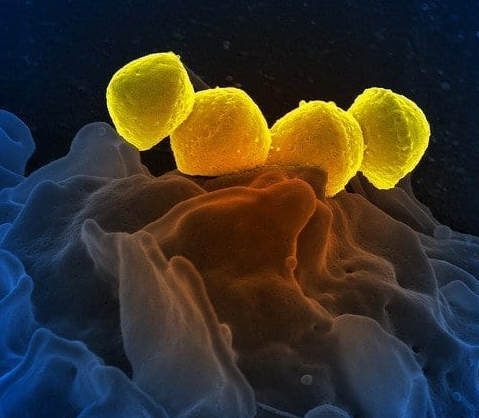
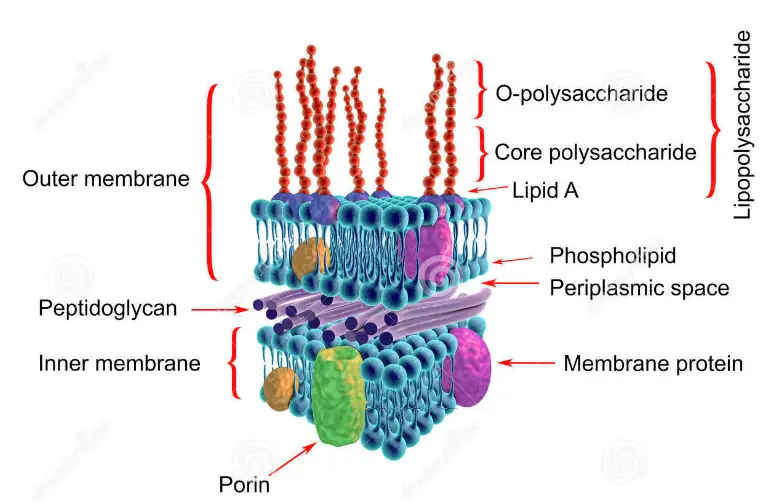
Gram-negative bacteria have different cell wall than Gram positive bacteria. Because of the change in cell wall stricture, the bacteria are classified as gram positive bacteria and gram negative bacteria. Gram negative bacterial cell wall has some differences than the gram-positive cell wall. They have a single layer of peptidoglycan. The cell wall thickness is … Read more


Industrial Preparation of Penicillin

penicillin tablets

Penicillin is the beta-lactam antibiotic that is used for the bactericidal effect of gram-positive bacteria. It directly targets the cell wall of bacteria and inhibits the synthesis of the cell wall. As it is used to treat the disease caused by gram-positive bacteria so this is recommended as a narrow spectrum antibiotic. Penicillin contains a … Read more

During which phase, gram positive bacteria is most susceptible to penicillin?

phases if bacterial frowth

Bacterial growth refers to the increase in number of bacterial cells. Bacteria divide exponentially into the environment. Bacteria growth is represented in the form of generation time. Generation time is the time in which the bacterial cell divides into two. Bacterial division: Bacteria divide through the process of: Binary fission: Binary fission is the most … Read more

Which structure acts like an “invisibility cloak” and protects bacteria from being Phagocytized?

The capsule is the structure that acts as an invisible cloak and helps the bacteria from phagocytosis. Characteristics of capsule: The characteristics of the capsule are as follows: This capsule can be found either on gram positive or gram negative bacteria. The capsule is a 0.2µm thick viscous layer. The capsule is present outside of … Read more

Sulfate reducing bacteria

sulfate-reducing.png

These are the bacteria that can use sulfate to accept the electrons during anaerobic conditions. These are basically the anaerobic bacteria that reduce sulfate into hydrogen sulfide. Examples: Examples are purple sulfur bacteria and sulfur green bacteria. Characteristics: The characteristics of the sulfur-reducing bacteria are as follows: These bacteria are present in sediments, sea waters … Read more

Bacteria die when they are Refrigerated or Frozen?

Bacteria die when they are refrigerated or frozen

Bacteria grow in their optimal conditions. They need optimal temperature and pH to grow. When these conditions change, bacteria are unable to grow and divide. Bacteriostatic is the effect in which the bacterial growth stops while the bactericidal effect is the killing of bacteria. Refrigeration cause bacteriostatic effect while freezing cause the bactericidal effect. Refrigeration: … Read more

Pili bacteria

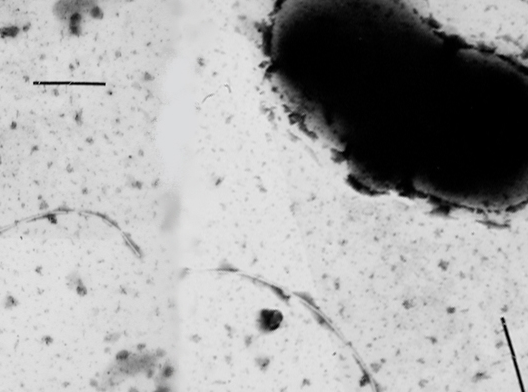
Pili bacteria are those bacteria that have the small hair-like appendages on the surface of bacteria. Characteristics of pili: The pili have the following characteristics: Pili are composed of pilin protein that is synthesized by the bacteria. Pili are responsible for the reproduction of bacteria e.g. conjugative pili. Pili are immunogenic in nature. They can … Read more

Filamentous Bacteria

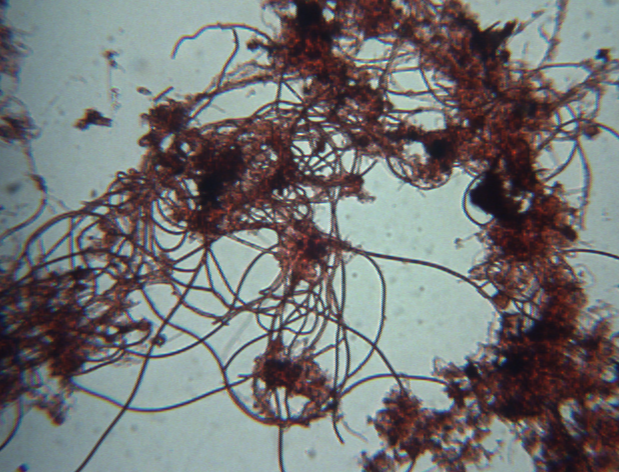
Filamentous Bacteria

Filamentous bacteria are those bacteria that produce long mesh-like filament by growing end to end. These bacteria are seen as long strands under the microscope. These bacteria are present in sludge areas for better settling. They are also present in water treatment areas. These bacteria have long thread-like structures such as clumps and chains. They … Read more

Operon Model

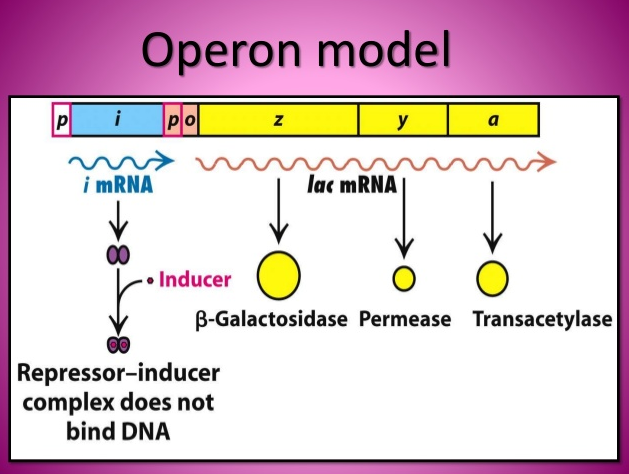
operon model

Operon model was proposed by Francois Jacob and Jacques Monod. The operons are the genes that are coded for related protein. Operon consists of a regulator, promoter and the structural genes. Eukaryotic DNA has one operon for one gene that encodes only one protein. Prokaryotic DNA may have one operon for one or more protein … Read more

Heterotrophic Bacteria

heterotrophic bacteria

Heterotrophic bacteria are those bacteria that cannot prepare their own food and obtain food from the environment. These bacteria cannot convert light energy into chemical energy and need ingredients for their metabolism. These bacteria need organic carbon and can use light energy and chemical energy to obtain their biomass. Examples: Bacillus, Pseudomonas, Salmonella Why these … Read more