

Bacteriology
Read more Spore Forming Bacteria
Spore-forming bacteria are those bacteria that can form spores under unfavourable conditions. Spores are the dormant form of bacteria that can tolerate all the...

Latest articles and updates from Ask Microbiology.
Spore-forming bacteria are those bacteria that can form spores under unfavourable conditions. Spores are the dormant form of bacteria that can tolerate all the...
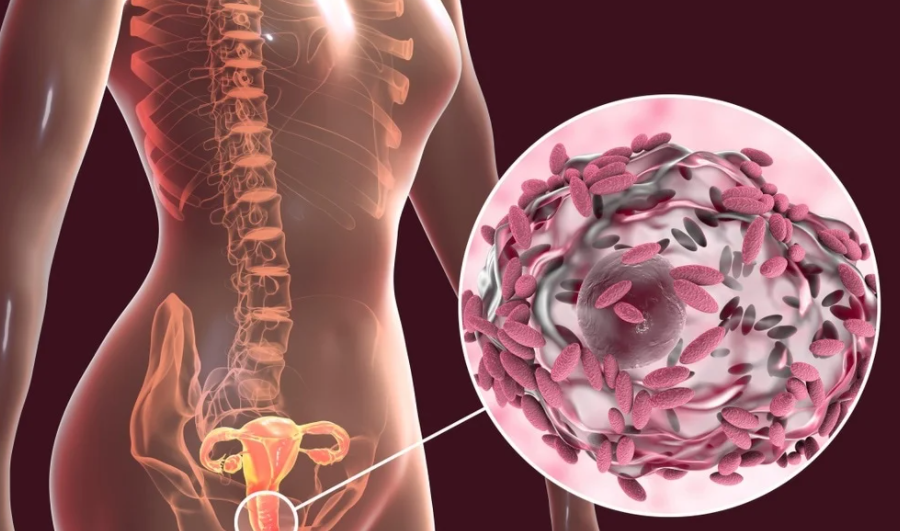
Imagine a small peaceful community where the good guys dominate, spreading smiles and promising wellbeing for everyone. They keep a check on everybody and make...

An antibiotic is a substance obtained from isolated cultures of certain microorganisms or is of semi-synthetic origin used to treat or prevent microbial...
Prevention from COVID-19: Starting from Wuhan City of Democratic Republic of China in early December 2019 and spreading to the whole world COVID-19 is one of...
The virus was quite unknown at the start, this thing gave birth to many rumors. One of these rumors is that virus is not heat-resistant and cannot tolerate a temperature of 26 or above and the pandemic will be over in hot summer.
Peptidoglycan is the monomeric form of carbohydrate that is found in bacteria only. This peptidoglycan is the polymers of sugar and amino acids. The sugar...

Pyogenic bacteria are those bacteria that are involved in the formation of pus. Pus is the yellowish exudate. It is formed in the site of inflammation and abscess. It is also called pus and postule.
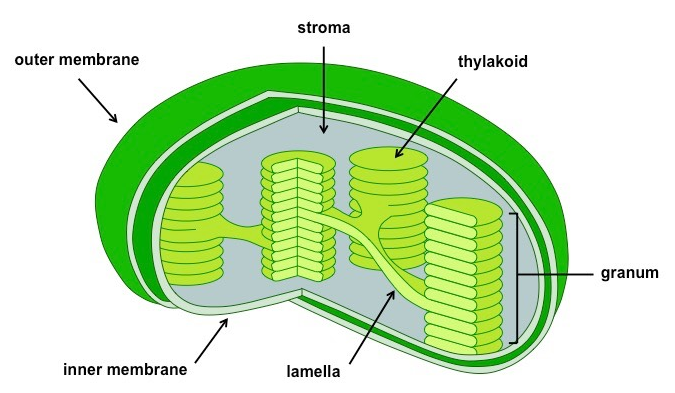
Bacteria don’t have chloroplast. They are unicellular single-celled organisms. Their cells are prokaryotic in nature. The cells don’t have membrane-bound...
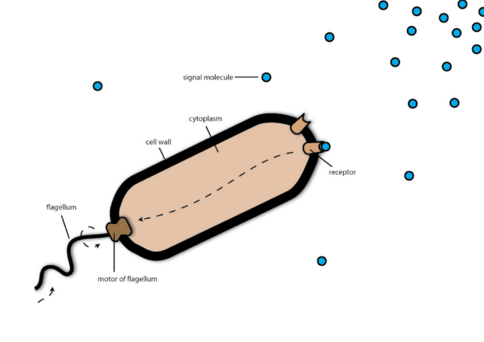
Chemotaxis is the process by which the bacteria respond to chemical gradients. Chemo means chemical and taxis means to move. It is the movement in which the bacteria and somatic cell move according to chemical gradients present in the environment.
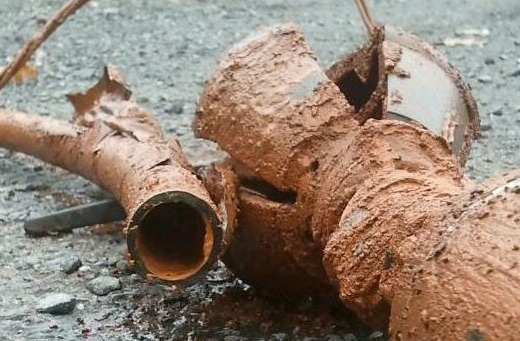
These are the bacteria that can use iron and manganese from the water. These bacteria combine the oxygen and iron of the water and deposit it in the form of rust in water.
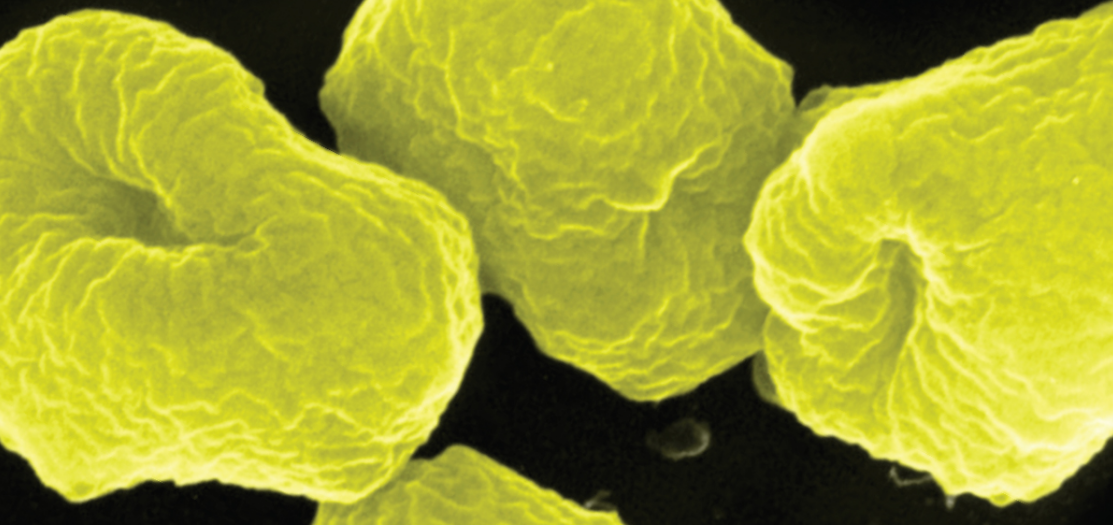
Both cells are Prokaryotic in nature. These cells lack membrane bound organelles and major organelles like the nucleus, Golgi apparatus, endoplasmic reticulum and mitochondria. Their genetic material is suspended in the cytosol as false nuclei. But there is no membrane around the genetic material.
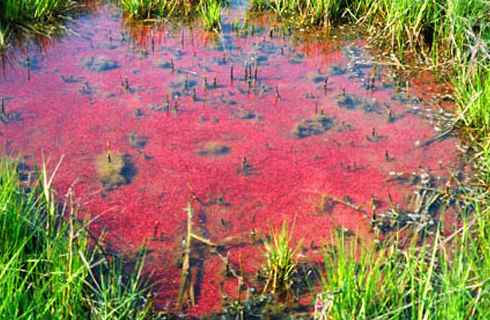
These are the group of anaerobic bacteria that are capable of photosynthesis. They may be Microaerophillic bacteria. These bacteria are divided into two groups i.e. the Chromatiaceae and the Ectothiorhodospiraceae. They are different in their internal membranes structure and presence of extracellular or intracellular sulfur granules.